The Freezer Drawer Is a Family Archive: 12 Punjabi American Staples Worth Making Room For
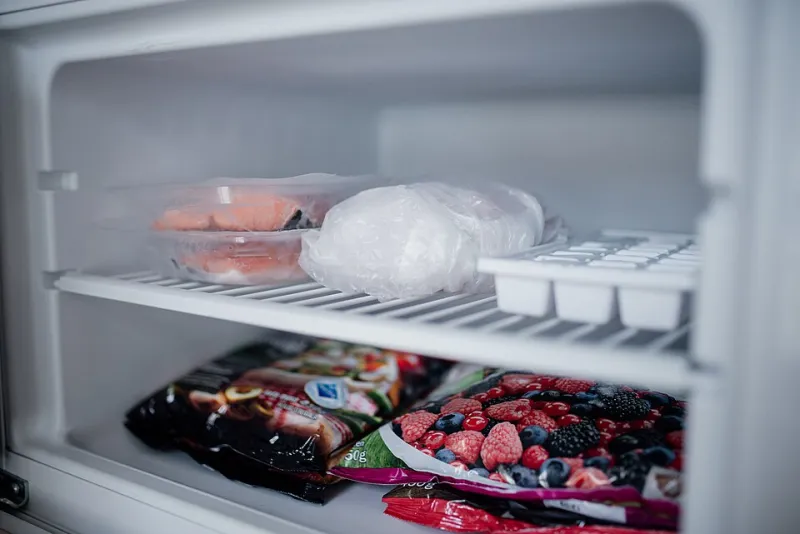
Photo: Shixart1985, CC BY 2.0, via Wikimedia Commons
There is a chest freezer in a garage in Fremont, California, that contains at least four kinds of saag, two kinds of rajma, a stack of parathas wrapped in foil, and a small container labeled simply MOM. The label does not explain what is inside. It does not need to. Everyone in the family knows that MOM means the extra-special batch of dal that was made on a Sunday when someone had time and nobody was rushing.
For a lot of Punjabi American families, the freezer is not a meal-prep accessory. It is a family archive. It holds the food that says someone was thinking ahead, someone was worried about the week, someone loved you enough to make too much. A full freezer is treated like emotional insurance. A half-empty one can feel like a warning sign.
Why the freezer matters
Batch cooking is not new. Punjabi households have been making big pots of dal, saag, and curry for generations, often for reasons that had nothing to do with American convenience culture. Feeding a crowd is part of the culture. So is making sure there is food ready for guests, for elders, for a sick neighbor, or for a Tuesday when nobody has the energy to chop onions.
What is new is the scale. American refrigerators are bigger. Garage freezers are common. Vacuum sealers and quart containers have joined the old habit of reusing yogurt tubs. The result is a freezer ecosystem that can look chaotic to an outsider and feel perfectly logical to the family that built it.
The labeling system is a dialect
Every family has its own freezer language. Some use masking tape and Sharpies. Some use color-coded lids. Some write dates and contents. Some write only initials and trust memory. A container marked SAAG 10/26 is self-explanatory. A container marked DO NOT EAT is a warning, a joke, or both. A container marked PARTY is probably not for a normal Wednesday.
The labeling system is also a form of etiquette. You do not take the last container of rajma without asking. You do not open the foil-wrapped parathas and leave them unwrapped. You do not put something new in the freezer without checking whether it will fit. And you absolutely do not throw away a container that has no label until you have asked at least two people what it might be.
The 12 staples
These are not rules. They are the recurring characters in the freezer stories Punjabi American home cooks told us about. Your family's list may look different. The point is not the exact dozen. The point is the habit of making room.
-
Saag. The winter staple. Cooked down with mustard greens, spinach, and a lot of patience, then frozen in portions. It reheats into saag with makki di roti on a cold night, or into a quick saag paneer when guests show up.
-
Rajma. A pot of kidney beans in tomato-ginger masala is one of the great batch-cook foods. It freezes well, feeds a crowd, and tastes better after a day or two. Families keep a backup container the way other people keep a spare phone charger.
-
Chole. Chickpeas in a dark, tangy masala. Some families freeze the chole on its own. Others freeze the base and add potatoes or paneer later. Either way, it is emergency food that does not taste like emergency food.
-
Parathas. Plain, aloo, methi, gobi. Cooked, cooled, stacked with parchment paper, and frozen. A paratha from the freezer can be on a plate in minutes. That is not laziness. That is a small act of care.
-
Ginger-garlic-green chile paste. The backbone of a hundred dishes. Making it in a food processor once and freezing it in ice cube trays or small bags saves time on the days when cooking feels impossible.
-
Paneer. Some families make it at home and freeze the cubes in whey. Others buy it in bulk and portion it out. Either way, it is a protein that can go from freezer to curry without much drama.
-
Kofta curry. The kind of dish that takes a long afternoon and pays you back for weeks. Freezing the koftas separately from the gravy keeps them from turning to mush.
-
Aloo tikki patties. Shaped, chilled, and frozen before frying. They become a snack, a burger patty, or a side dish depending on the day.
-
Samosas. Homemade or bulk-bought, raw or fried. A bag of frozen samosas is a social safety net. Guests arrive. The oven or air fryer does the rest.
-
Dal makhani. Rich, slow-cooked, and deeply satisfying. A small container can turn a plain dinner into something that feels like a treat.
-
Chicken curry base. Not the whole dish, necessarily, but the masala base that can become chicken curry, egg curry, or a quick vegetable stew. It is the freezer equivalent of a blank check.
-
Mango pulp. Not a cooked staple, but a Punjabi American freezer regular. It becomes lassi, mocktails, or a quick dessert when the weather turns hot and nobody wants to bake.
Freezer etiquette is love with boundaries
A stocked freezer is generous, but it is not a free-for-all. There are boundaries. Ask before taking the last paratha. Do not microwave fish in the office kitchen and then blame the freezer. If you borrow a container, return it. If you finish the saag, tell someone. If you are the one who keeps eating the koftas without replacing them, you may eventually find a note taped to the lid.
That note is not petty. It is communication. In families that show love through food, the freezer is one of the places where that love gets organized.
What a full freezer actually means
A full freezer means someone in the family has been paying attention. It means someone thought about the week ahead, the guests who might come, the cousin who might need a meal, the elder who should not have to cook. It means someone made too much on purpose.
That is why a container of saag can feel like a hug and a bag of parathas can feel like a promise. The freezer is not just storage. It is a record of care, written in masking tape and reheated on the days when words are harder to find.