Tandoori Mac & Paneer Tikka Grilled Cheese: Inside America's Punjabi Fusion Food Obsession
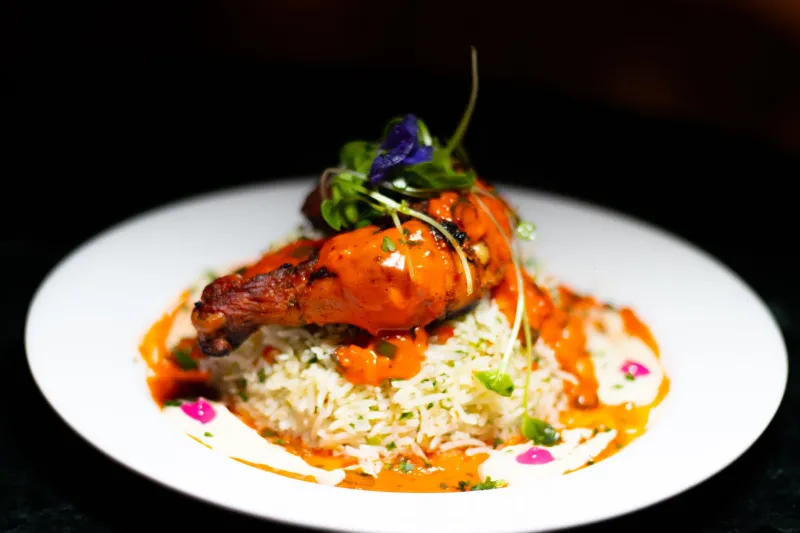
Picture this: a bowl of creamy mac and cheese, golden and bubbling, with a swirl of smoky tandoori butter on top and a scattering of charred corn and chaat masala. It sounds like something cooked up in a fever dream — or maybe a very inspired 2 a.m. fridge raid. But at a growing number of American restaurants, it's not just on the menu. It's selling out.
Punjabi-Indian fusion cuisine has officially arrived in the American mainstream, and the timing makes complete sense if you think about it for even a second.
The Flavor Profile That America Didn't Know It Needed
American comfort food has always been about richness, warmth, and satisfaction. Think oozy grilled cheese, slow-cooked BBQ, creamy casseroles. Now think about the foundational flavors of Punjabi cooking: the smoky depth of a tandoor, the warming heat of garam masala, the tang of amchur, the richness of ghee and cream. These aren't opposing flavor profiles. They're practically cousins.
Chef Arjun Mahajan, who runs the acclaimed Dhaba District in Chicago, has been saying this for years. "Punjabi food is already comfort food," he told us over the phone between lunch and dinner service. "Butter chicken is basically a rich tomato cream sauce. Dal makhani is slow-cooked beans with butter. When Americans taste these things, there's recognition there — it just has a different spice vocabulary."
That recognition is exactly what's driving the fusion trend. Chefs across the country are leveraging that built-in familiarity to create dishes that feel simultaneously adventurous and deeply comforting.
What's Actually Happening on Menus Right Now
Let's get specific, because this trend is more diverse and creative than a single dish can capture.
Tandoori Chicken Pizza has become a genuine staple at fusion-forward spots from Austin to Atlanta. The combination works because the tandoori marinade — yogurt, ginger, garlic, Kashmiri chili — functions almost like a barbecue sauce in terms of its smoky, slightly sweet complexity. Swap out red sauce, keep the mozzarella, add sliced red onion and cilantro, and you've got something that feels familiar and exciting at the same time.
Saag Pasta is having a moment, particularly in cities with large South Asian populations like Edison, NJ, and Fremont, CA. Sarson da saag — that iconic Punjabi mustard greens dish — blended into a pasta sauce with a little cream and parmesan is genuinely revelatory. The bitterness of the greens, the funk of the mustard, the richness of the dairy. It works.
Chaat-Spiced Fries and Loaded Nachos have become gateway dishes at Indian-American fusion spots, and for good reason. Chaat masala — that addictive blend of cumin, black salt, dried mango powder, and more — is basically nature's perfect seasoning for fried potatoes. Once you've had chaat fries, regular fries feel incomplete.
Paneer Tikka Grilled Cheese is exactly what it sounds like and it is absolutely as good as you're imagining. Marinated, pan-seared paneer, tucked between sourdough with green chutney standing in for mustard, melted sharp cheddar adding the gooey pull. Chef Priya Sharma of Spice & Rye in Brooklyn describes it as "the sandwich that makes people text their friends mid-bite."
Why Chefs Are Obsessed — And Why Now
The timing of this fusion wave isn't accidental. Several forces have converged to make this the moment Punjabi flavors break through.
First, there's the spice literacy factor. Thanks to years of exposure through restaurants, cooking shows, and social media, the average American home cook is significantly more comfortable with cumin, turmeric, and garam masala than they were even a decade ago. These spices have graduated from "exotic" to "pantry staple" for a meaningful chunk of the population.
Second, the pandemic-era cooking boom pushed people to experiment. Home cooks who'd never attempted Indian food suddenly had time, curiosity, and YouTube. Many discovered that Punjabi dishes — particularly one-pot preparations like dal and butter chicken — are actually quite approachable.
Third, and perhaps most importantly, the Punjabi-American diaspora has grown into a powerful culinary voice. Second and third-generation Punjabi-Americans who grew up eating both roti and pizza, both saag and spaghetti, are now the chefs, food writers, recipe developers, and Instagram creators shaping what America eats.
"I grew up in Naperville eating my mom's rajma on Monday and Taco Bell on Friday," says Chef Ravinder Singh, whose pop-up Tikka Americana has developed a cult following in the Dallas-Fort Worth area. "Fusion isn't a trend for me. It's literally just my life on a plate."
The Home Kitchen Frontier
Restaurants are leading the charge, but the real action is in home kitchens — and that's where Punjab Bazar comes in. The ingredients driving this fusion movement aren't hard to find when you know where to look. Kashmiri chili powder, amchur, chaat masala, quality ghee, whole spices — these are the building blocks, and having them in your pantry is the first step.
Here are a few fusion ideas worth trying at home this week:
Tandoori Chicken Tacos Marinate chicken thighs in yogurt, tandoori masala, ginger-garlic paste, and lemon juice for at least four hours. Grill or broil until charred. Slice and serve in warm flour tortillas with mint-cilantro chutney standing in for salsa, sliced red onion, and a squeeze of lime. The smokiness of the tandoori marinade plays beautifully against the brightness of the chutney.
Saag Mac and Cheese Make your standard béchamel-based mac and cheese, but stir in a few tablespoons of sarson da saag (or a blend of pureed spinach and mustard greens) along with a pinch of garam masala and a swirl of ghee instead of butter. Finish with crispy shallots on top. It's green, it's rich, it's genuinely delicious.
Chaat Masala Popcorn This one takes about four minutes and will ruin regular popcorn for you forever. Pop your corn, toss with melted ghee instead of butter, then season generously with chaat masala, a pinch of Kashmiri chili, and a tiny squeeze of lemon. Movie night is changed.
Dal Soup with Crusty Bread Americans already love a hearty bowl of soup with good bread. Dal — particularly a well-seasoned tarka dal — is just a more interesting version of lentil soup. Serve it in a wide bowl with a thick slice of sourdough, a drizzle of chili oil, and a sprinkle of fresh cilantro. You'll convert anyone at your dinner table.
The Bigger Picture: Fusion as Cultural Conversation
It would be easy to look at the tandoori mac and cheese trend and see only novelty — a gimmick designed to go viral on TikTok. But there's something more meaningful happening here.
For Punjabi-Americans, fusion cooking is a form of self-expression that doesn't require choosing between identities. It's a way of saying: both of these things are mine. My grandmother's masala and my college roommate's mac and cheese recipe can exist in the same bowl, in the same kitchen, in the same life.
For non-Punjabi Americans discovering these flavors through a familiar vehicle, fusion food is often the gateway to something deeper — a curiosity that leads to a Punjabi restaurant, a cookbook, a conversation with a colleague, a wider understanding of a culture that's been present in this country for over a century.
At Punjab Bazar, we've always believed that food is the most direct route between people. Whether you're a Punjabi grandmother watching your grandkids remix your recipes or an American home cook who just discovered chaat masala and can't stop putting it on everything — welcome to the table.
The flavors of Punjab have been making their way to America for generations. They're just finally getting the spotlight they deserve.