Achar Season Is Coming and Nobody in the Family Is Playing Around
Somewhere in New Jersey, a woman is texting her sister in Fresno about raw mango prices. In a Fremont kitchen, a retired uncle has already laid out his ceramic crocks and is refusing to tell anyone his oil-to-spice ratio. And in a Mississauga-adjacent WhatsApp group that technically bleeds into the American diaspora, someone just posted a photo of their finished achar with a caption that reads, simply, "Done. 🙏" — which everyone in the thread knows is a flex.
Achar season has arrived. And if you grew up in a Punjabi household anywhere on this continent, you already know: this is not a casual hobby. This is war.
What We're Actually Talking About When We Talk About Achar
For the uninitiated, achar is the Punjabi word for pickle — but calling it just a pickle is like calling a wedding just a party. These are intensely spiced, oil-cured, sun-fermented preparations made from everything: raw mangoes, lemons, carrots, cauliflower, green chilies, turnips, and combinations that would make a Western canning enthusiast's head spin. The process is slow, the ingredients are specific, and the results are deeply personal.
Every family has a signature. Some go heavy on the mustard oil, that sharp, almost pungent base that's the backbone of a proper Punjabi achar. Others lean into the fennel and fenugreek. Some swear by red chili, others by the slow heat of black pepper. And the fermentation debate — how many days in the sun, whether to stir daily or leave it alone — could fuel a three-hour family argument without breaking a sweat.
In Punjab, this was practical food culture. Before refrigeration, before grocery stores stocked twelve varieties of hot sauce, you preserved what the season gave you. You made enough to last through winter. You gave jars to neighbors. You judged and were judged.
In America, the practicality is mostly gone. The tradition is entirely intact.
The Rivalry Is Real
Ask any Punjabi American millennial what they remember about achar season growing up and you'll hear some version of the same story: the careful ritual of their mom or grandma selecting fruit at the Indian grocery store, the smell of mustard oil warming on the stove, the rows of jars lined up on a sunny windowsill or, if you were lucky, an actual porch. And then — always — the comparison.
"My massi's achar was never as good as my nani's, and everyone knew it, but nobody said it out loud," says one woman from the Bay Area who asked not to be named because, as she put it, "my family actually reads this stuff."
That dynamic hasn't gone away. If anything, it's intensified as the diaspora has spread out and social media has given everyone a stage. Now the competition isn't just within households or extended families — it's across cities, across coasts, across generations.
Instagram and TikTok have turned achar-making into something almost performative, and not everyone is comfortable with that. Older women who learned to make pickle from their mothers and their mothers' mothers are now watching younger relatives post aesthetically arranged jars with ring lights and trending audio, and the reaction is... complicated.
The Generational Fault Line
There's a real tension in Punjabi American kitchens right now between the keepers of the old ways and the innovators who want to expand the tradition without losing its soul.
On one side: the aunties and grandmothers who measure nothing, who know by smell and touch and memory when the achar is right, who would sooner throw a jar out than use anything other than raw, unfiltered mustard oil. These women are not interested in modifications. They are interested in results. Their achar doesn't need a caption.
On the other side: a younger generation of Punjabi Americans who grew up eating this food, moved into their own apartments, and started missing it badly enough to learn. They're the ones experimenting — adding garlic to the mango achar, throwing in Korean chili flakes because why not, vacuum-sealing jars instead of relying on the sun because they live in Seattle and the sun is not always cooperative.
Some elders find this exciting. Others find it disrespectful. Most find it somewhere in between: proud that the kids are even trying, quietly horrified by certain ingredient choices.
"My daughter put apple cider vinegar in her nimbu achar," one aunty from the Chicago suburbs reportedly told her group chat. "I didn't raise her like this."
The Science That's Finally Getting Respect
Here's what's interesting: the younger generation's questions are actually pulling the tradition forward in unexpected ways. When you start asking why mustard oil, why fenugreek, why does the jar need to sit in direct sunlight for ten days, you end up in a genuinely fascinating conversation about fermentation, microbiology, and food preservation that scientists are increasingly paying attention to.
Mustard oil has natural antimicrobial properties. Fenugreek seeds act as a thickening agent and contribute bitterness that balances heat. Sun fermentation creates an environment for beneficial bacteria to develop in ways that refrigeration simply doesn't replicate. The old ways weren't guesswork — they were accumulated knowledge dressed up as tradition.
More Punjabi Americans are starting to talk about this openly, connecting their family's recipes to broader conversations about fermented foods, gut health, and traditional food systems. The same generation that buys kimchi at Trader Joe's and follows sourdough accounts is realizing that their grandmothers were fermenting food in ways that were sophisticated long before it was trendy.
Finding the Ingredients, Finding the Community
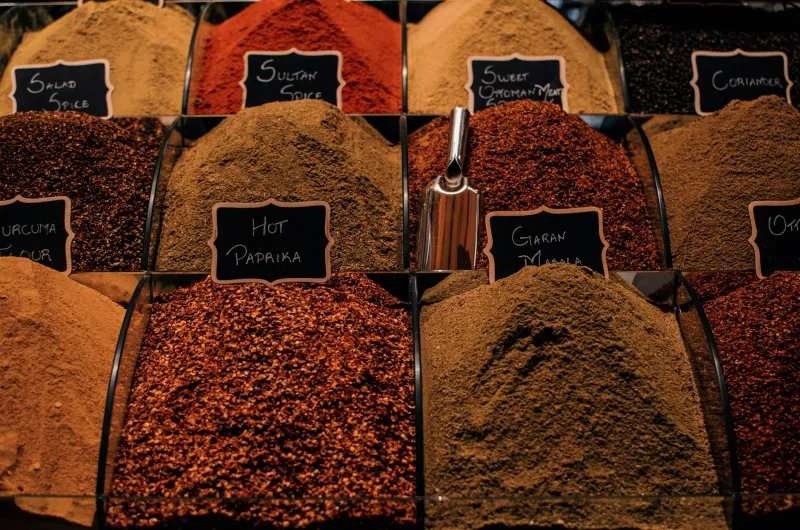
One of the quieter challenges of achar season in America is sourcing. Raw kachri mangoes aren't at your average Kroger. Real mustard oil — the kind that's actually pungent, not the diluted stuff — requires some hunting. Specific spice blends that your nani just called "the mix" might take three different stores to reconstruct.
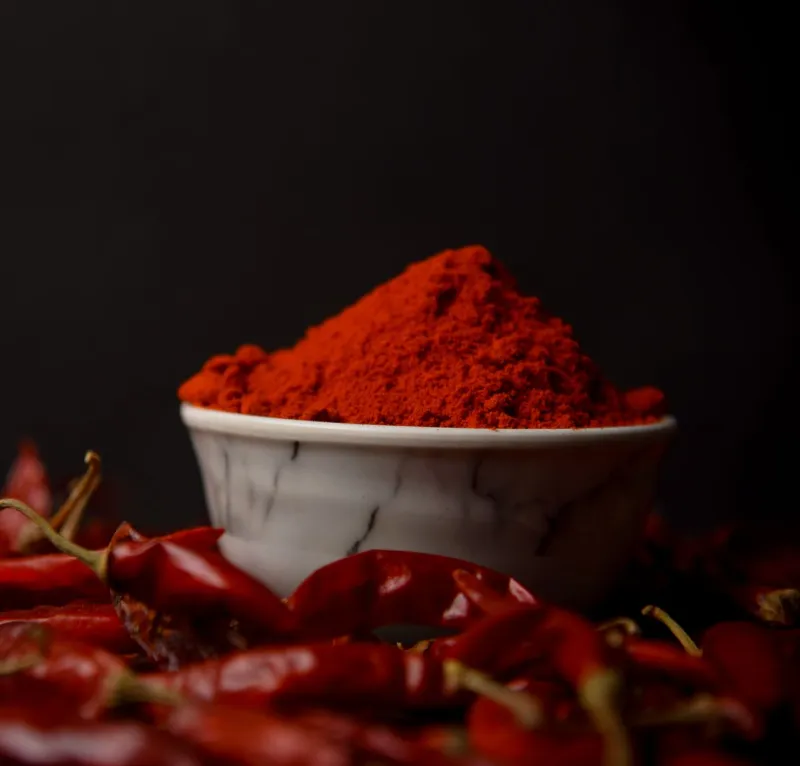
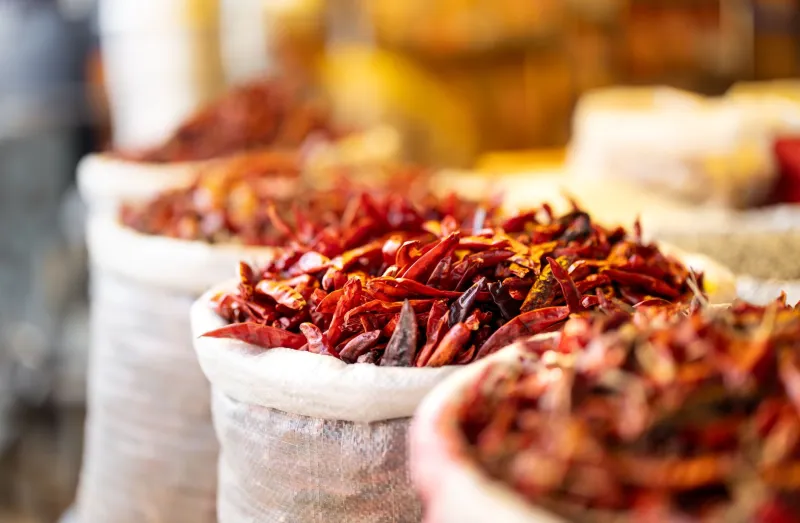
This is where the Punjabi American community's informal networks do their quiet, essential work. Someone's uncle drives back from a trip to India with a suitcase full of the right dried chilies. A local gurdwara coordinates a group order of bulk spices. Someone in a Facebook group posts that they found the good mustard oil at a store in a suburb two towns over and within twenty minutes has seventeen replies asking for the address.
Online marketplaces have started to fill some of these gaps, offering the pantry staples that make authentic achar possible for families who don't live near a well-stocked South Asian grocery store. It's not a perfect solution — nothing replaces the experience of picking your own fruit at peak ripeness — but it's made the tradition accessible in places where it might otherwise have quietly faded.
What's in the Jar Is What You Come From
At the end of achar season, after the jars are sealed and the first impatient taste-test has happened, something settles. The rivalry softens a little. The jars get distributed — to neighbors, to coworkers curious about "that pickle you always bring," to relatives who this year didn't get around to making their own.
There's a generosity at the center of this tradition that the competition can sometimes obscure. You make more than you need because the point was never just to feed yourself. You share because that's what the food was always for.
Every jar of achar sitting in a Punjabi American kitchen right now is a small act of cultural memory. It's a grandmother's hands working through a daughter's muscle memory. It's the taste of a season, a place, a family that doesn't fully exist in one geography anymore but still knows how to find itself around a table.
Make your achar. Argue about the recipe. Post the photo if you want to.
Just don't skip the sun.