Those Jars Have Been on That Shelf Since 2009 and Nobody's Talking About It
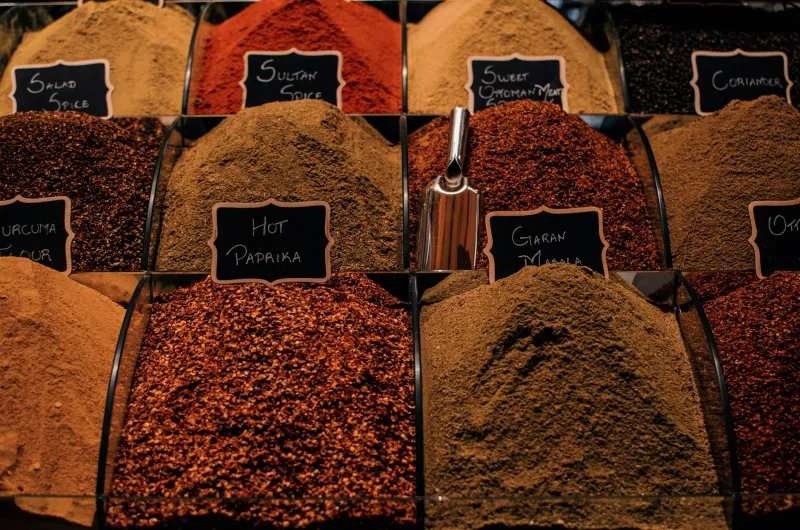
Open the spice cabinet in almost any Punjabi American home and you will find it: the archaeological layer. Ground coriander from a Costco run that happened before your youngest sibling was born. A bag of dried methi, rubber-banded shut, that your mother brought back from her last trip to Amritsar. A dented tin of amchur with no visible date, its origin lost somewhere in the fog of a decade-old Diwali. Nobody questions it. Nobody touches the expiration question with a ten-foot ladle. And yet, quietly, this is a kitchen crisis hiding in plain sight.
Punjabi American households are, as a rule, extraordinarily well-stocked. The spice shelf is not a shelf — it is an institution. Building it takes years, real money, and a kind of deliberate intention that most American pantries simply don't have. So when someone suggests that the haldi in the back corner might be, functionally, sawdust at this point, the response is rarely gratitude. It is closer to offense.
The Science Nobody Warned Us About
Here is what food scientists will tell you, and what most of us were never taught at home: dried spices don't spoil the way milk spoils. They don't grow mold overnight or smell obviously wrong. What they do is fade. The volatile aromatic compounds — the actual chemistry behind why your garam masala smells like anything at all — begin breaking down the moment a spice is ground. Exposure to heat, light, and moisture accelerates the process dramatically.
Dr. Priya Nair, a food chemist based in the Bay Area who consults for South Asian food brands, puts it plainly: "Ground spices are at their peak for about six months to a year if stored well. Whole spices last longer — sometimes two to three years — but even they lose potency. After that, you're adding color and maybe a whisper of flavor. You're not getting the real thing."
For a cuisine where spices aren't garnish but architecture — where the layering of jeera into hot oil, the bloom of whole cloves, the careful addition of freshly ground coriander are structural decisions — cooking with dead spices isn't just a flavor issue. It changes the dish at a fundamental level.
The Thrift Logic That Makes Complete Sense (Until It Doesn't)
To understand why Punjabi American kitchens hold onto spices long past their prime, you have to understand the economics and the emotion behind the original purchase. For many first-generation families, the spice collection wasn't assembled casually. It was built through careful trips to Indian grocery stores — often a forty-minute drive in the early years, before desi markets spread across suburban America. Spices were bought in bulk because bulk was economical. They were stored in repurposed ghee tins and Ziploc bags and handed from one household to another as a form of love.
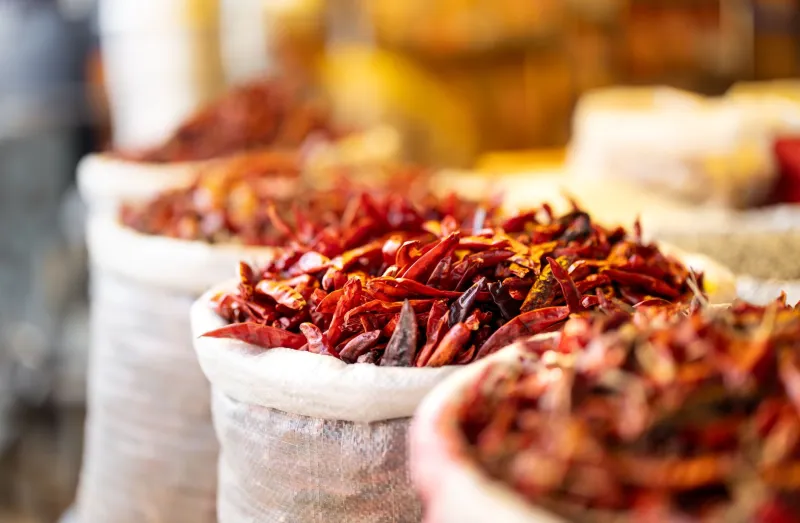
Throwing out a jar of dhania powder your mother divided with you from her own stash feels wasteful in a way that is almost physical. "She carried that from home," one woman in Fremont told us, gesturing at a bag of dried red chilies sitting on her counter. "She packed it in her suitcase. I can't just throw it away because some website says it's old."
This is not irrationality. It is loyalty. And it is also, nutritionally and culinarily speaking, a problem.
What You're Actually Eating
Beyond the flavor question, there are real health considerations that rarely get discussed in the context of South Asian pantry habits. Registered dietitian Harleen Bains, who works with South Asian clients in the Chicago metro area, says she regularly encounters patients who don't connect their digestive complaints to aged pantry staples. "Improperly stored spices — especially those kept near the stove where there's moisture and heat — can develop mold you can't always see," she explains. "Ground spices are particularly vulnerable because the surface area is so much greater. For people with respiratory sensitivities or compromised immune systems, this matters."
Beyond mold, oxidized spices can contain rancid oils that, over time and in quantity, are not doing your body any favors. The curcumin in turmeric, celebrated for its anti-inflammatory properties, degrades significantly in old stock. You might be adding haldi to your dal every day and getting a fraction of the benefit you think you are.
The Freshness Test Your Nani Never Had to Give You
The good news: you don't need a lab to figure out what's still working in your cabinet. The smell test is your first tool. Open the jar and take a real sniff. Fresh ground cumin smells warm, earthy, almost nutty. If what you're getting is vague and dusty, that's your answer. Whole spices should feel firm and release fragrance when you crack them between your fingers. If a whole cardamom pod crushes into powder without any real scent, it's done.
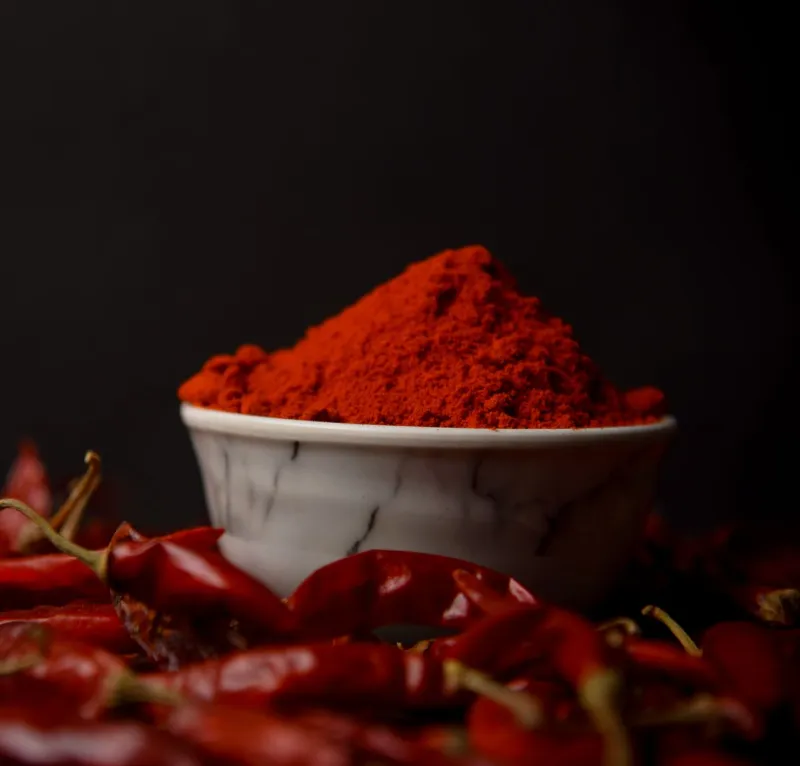
For visual checks: look for color fading (good paprika should be deeply red, not brick-orange), clumping in ground spices (indicates moisture exposure), or any visible discoloration in dried herbs like kasuri methi or tejpatta.
Food writer and cooking instructor Simran Dhaliwal, who runs popular South Asian cooking workshops in the Dallas area, recommends what she calls the "small pan test" for any spice you're unsure about. "Drop a tiny pinch in a dry pan over medium heat for thirty seconds," she says. "If it blooms and smells like something, keep it. If it just sits there, let it go."
Letting Go Without Losing the Story
Here's the reframe that might actually help: replacing a spice is not erasing the memory attached to it. The jar your mother brought from Punjab is not the spice — it's the gesture, the trip, the relationship. You can honor that fully and still buy a fresh bag of jeera from your local Indian grocer or order quality whole spices from a trusted online source.
If the emotional weight of a particular container is real, consider keeping the tin or jar itself as a keepsake and refilling it with fresh stock. It sounds small, but for a lot of families, the physical object carries meaning independent of its contents.
For households ready to do a full reset, Simran suggests starting with the spices you use most frequently — cumin, coriander, turmeric, and garam masala — rather than trying to overhaul everything at once. "Buy whole where you can and grind as you need it," she says. "Even a basic coffee grinder changes the game. The difference in your cooking will be immediate and obvious."
A Different Kind of Investment
The Punjabi kitchen has always been a place of serious intention. The spice shelf is evidence of that — it represents years of accumulated knowledge about what a dish needs and where to find it. Treating freshness as part of that same intention isn't a betrayal of tradition. It's actually an extension of it.
Your food deserves to taste the way it's supposed to taste. Your family deserves to eat it at its best. And honestly? Your nani's saag would probably agree.