Too Hot, Not Hot Enough, and Everything in Between: The Great Punjabi American Spice Standoff
Somewhere in a suburb of Fresno, a woman named Gurpreet Dhaliwal is standing at her stove, red-faced and defensive. Her twenty-three-year-old daughter, Simran, has just pushed a bowl of dal away and announced — not for the first time — that it's "literally uneatably spicy." Gurpreet stares at her. She grew up eating food that would make this dal taste like warm water.
"I actually toned it down," Gurpreet says. "This is my mild."
Simran does not believe her.
This scene, or some version of it, plays out in Punjabi American kitchens from Yuba City to Jersey City on a near-daily basis. And while it looks like a simple argument about chilies, what's actually happening is something much more loaded. Spice tolerance in Punjabi American families has become a surprisingly charged marker of identity — a quiet, ongoing negotiation over culture, belonging, and who gets to be the authority on what authentic Punjabi food tastes like.
Heat as Heritage
For first-generation Punjabi immigrants, the food they grew up eating back home wasn't just spicy — it was calibrated. Different regions of Punjab had their own heat signatures. Dishes from Amritsar hit differently than those from Ludhiana. The green chilies your nani grew in her kitchen garden had a specific, irreplaceable bite that no American grocery store has ever managed to replicate. Heat wasn't an afterthought. It was part of the architecture of the food.
"When I cook, I'm not just cooking a recipe," says Harjinder Singh, a Sikh temple volunteer and home cook in Stockton, California, who immigrated from Jalandhar in the late 1990s. "I'm trying to make it taste like something real. And real Punjabi food has heat. That's just the truth."
For Harjinder's American-born kids, that truth is a little harder to swallow — literally. His son, Arjun, grew up straddling two culinary worlds: the fiery home cooking his parents made and the comparatively bland school cafeteria food that surrounded him. "I love my dad's cooking," Arjun says, "but there are dishes I genuinely cannot eat without a glass of milk next to me. And then he looks at me like I've personally insulted Punjab."
That look. Every second-generation Punjabi American knows exactly what look Arjun is talking about.
The Science of Who Can Take the Heat
Here's where it gets interesting: the generational spice divide isn't just a cultural phenomenon. There's actual biology involved.
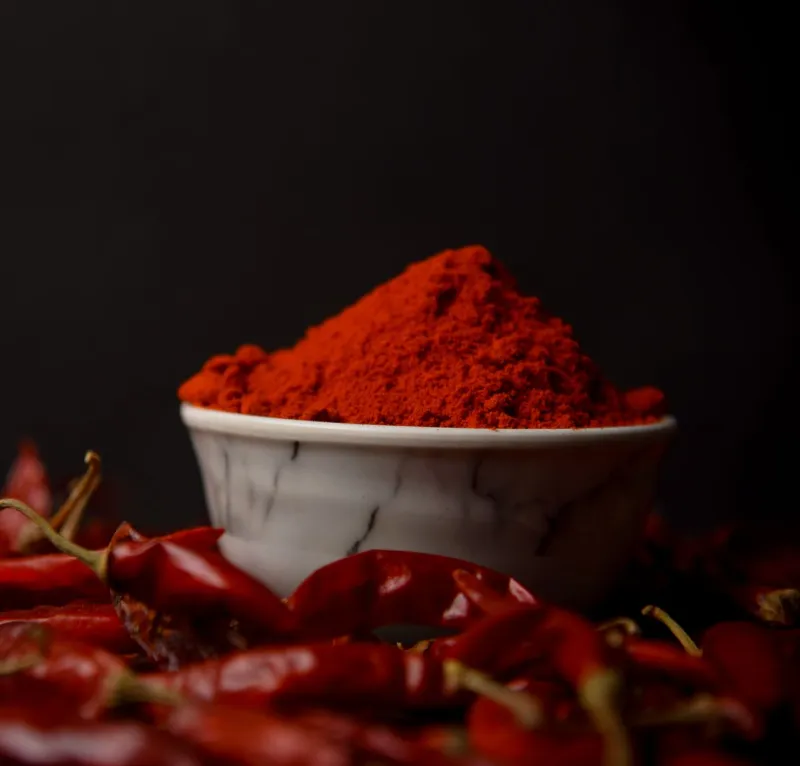
Capsaicin — the compound that makes chilies hot — works by binding to pain receptors in the mouth. Regular exposure to capsaicin over time doesn't just build tolerance psychologically; it can actually desensitize those receptors, making high-heat foods feel genuinely less painful to people who eat them consistently from childhood. First-generation immigrants who grew up eating spicy food from infancy have, in a very real physiological sense, rewired their pain response.
Second-generation kids raised in the US often have a more mixed diet from early on, which means their capsaicin receptors haven't had the same sustained conditioning. "It's not that they're weaker," explains one food scientist familiar with sensory adaptation research. "It's that their baseline was set differently. The heat threshold is genuinely lower because the exposure pattern was different."
Which means when a Punjabi immigrant parent says "this is mild," they are telling the truth. And when their American-born kid says "this is nuclear," they are also telling the truth. Both people are right, and that somehow makes the argument worse.
The Pepper Problem
There's another layer to this that doesn't get talked about enough: the chilies themselves are different here.
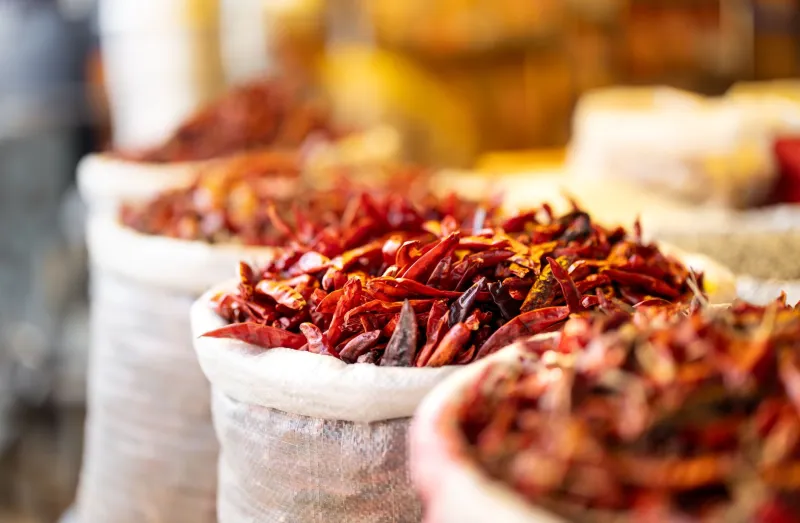
In Punjab, home cooks have access to a range of fresh and dried chilies with specific flavor profiles — heat that comes with complexity, a fruity or earthy undertone that gives the spice meaning. The Indian green chili used in everyday Punjabi cooking (often a variety of Capsicum annuum) has a bright, sharp heat that's different in character from, say, a serrano or a jalapeño you'd pick up at a Safeway in Sacramento.
Many first-generation cooks in the US compensate by using more of whatever's available — more cayenne, more dried red chilies, sometimes more than they'd use back home — to approximate the flavor they're chasing. The result can be a dish that's hotter in raw Scoville terms but somehow still missing the nuanced warmth of the original. "I keep adding and adding and it still doesn't taste right," says Manpreet Kaur, a home cook in Naperville, Illinois. "So I add more. And then my kids think I'm trying to punish them."
Some families have started growing their own Indian chili varieties in backyard gardens and greenhouse setups — a trend that Punjab Bazar has covered before — specifically to close this flavor gap. But for most households, the workaround is an imperfect one.
When Spice Becomes a Litmus Test
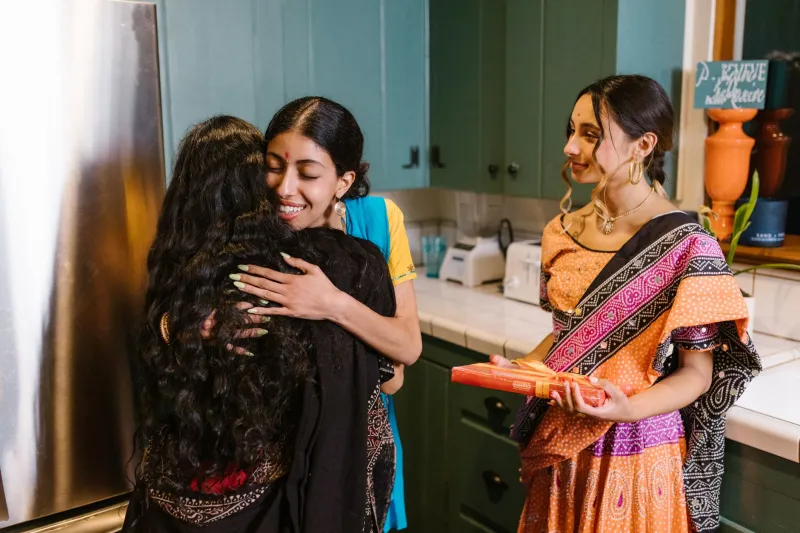
The stakes get higher when extended family enters the picture. Punjabi American gatherings are full of unspoken spice auditions. Can you handle Chacha's rajma without reaching for water? Did you ask for your saag to be made less spicy — and did someone notice? Heat tolerance gets read, consciously or not, as a measure of how "desi" you really are.
"I've had relatives make comments," says Priya Bains, a third-generation Punjabi American in the Bay Area whose grandparents immigrated from Hoshiarpur. "Like, you can tell they're judging whether you're 'really' Punjabi based on whether you can eat the food without flinching. It's ridiculous, but it's real."
For second-generation folks caught between these worlds, it can feel like a no-win situation. Eat the spicy food and suffer in silence to prove a point. Ask for a milder version and risk the raised eyebrows. Neither option is particularly comfortable.
Some families are finding a middle path — cooking base dishes at a moderate heat level and offering fresh chilies, chili oil, or achaar on the side so everyone can adjust their own bowl. It's a practical solution that also, quietly, respects the idea that spice preference is personal without making it a referendum on cultural authenticity.
Redefining What Authentic Tastes Like
Maybe the most honest thing to say is this: the Punjabi food that immigrants remember from back home was never a fixed, singular thing either. It varied by family, by village, by season, by what was growing in the garden that year. Heat levels shifted. Recipes adapted. Food has always been a living, changing thing.
The version of Punjabi cuisine being made in American kitchens right now — sometimes fierier than the original to compensate for missing ingredients, sometimes dialed back to keep the peace at a dinner table with four different heat tolerances — is its own valid chapter in that story.
Simran, back in Fresno, has started cooking some dishes herself. She uses less chili than her mother does, more than she'd put in if she were cooking purely for herself. She's finding her own calibration.
"My mom still thinks I make it too mild," she says, laughing. "But honestly? I think I'm getting closer."
Gurpreet, for what it's worth, has started keeping a small bowl of sliced green chilies on the table. She doesn't say anything about it. She just puts them there.
Some negotiations happen without words.