Who Gets to Decide What's Real? How Online Punjabi Markets Are Rewriting the Rules of Authenticity
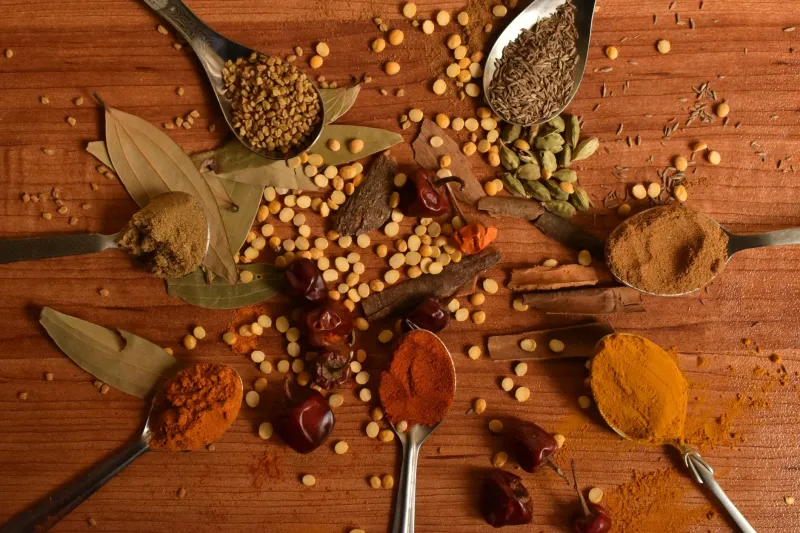
Somewhere between the generic 'Indian spice blend' sitting on a shelf in a New Jersey grocery store and a freshly harvested batch of Hoshiarpur-grown methi seeds landing on a doorstep in Fremont, California, something significant is happening. The definition of authentic Punjabi food is being renegotiated — and for once, the diaspora is holding the pen.
For years, Punjabi Americans made do. They navigated the limited, often homogenized aisles of South Asian grocery stores that lumped the entire subcontinent's pantry under one roof. Kalonji from one region sat next to masalas blended for a pan-Indian market. Specific regional staples — the kind your naani kept in a particular clay pot — were simply unavailable, or close enough to unavailable that most people stopped asking. You adapted. You substituted. You told yourself it tasted the same.
It didn't, though. And most people knew it.
The Substitution Tax
There's an unspoken cost that diaspora communities pay when they can't access the specific ingredients that define their food. Call it the substitution tax. Every swap — every moment you reach for the closest approximation instead of the real thing — is a small erosion. Not just of flavor, but of memory, identity, and the specific geography that makes Punjabi cuisine Punjabi and not just broadly 'South Asian.'
Punjabi food is intensely regional. The mustard greens grown in the fields around Amritsar carry a different bitterness than what's available at a standard American supermarket. The white butter churned in Punjabi households — makhan so fresh it barely holds its shape — has no real commercial equivalent in the US. Even the atta used for rotis varies dramatically depending on the wheat variety and the grind. These aren't minor details. They're the whole story.
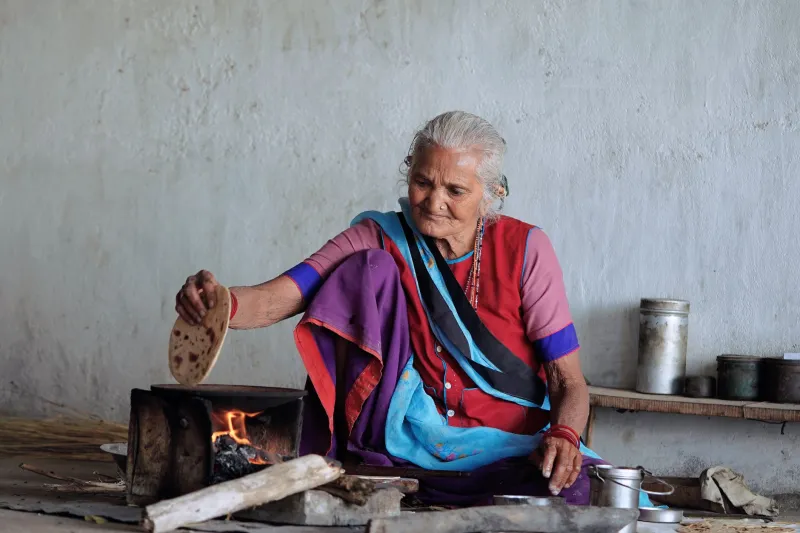
For a long time, the inability to source these specifics quietly reinforced a kind of culinary gatekeeping. Older generations, who carried the sensory memory of these ingredients in their hands and taste buds, held an authority that younger Punjabi Americans simply couldn't access. You couldn't make the real saag, the argument went, because you didn't have the right greens. You couldn't replicate the real lassi because the dahi here is nothing like back home. Authenticity became a moving goalpost — and the goalposts were often held by whoever had been in Punjab most recently.
When the Supply Chain Goes Direct
Online marketplaces focused specifically on Punjabi products are quietly dismantling that dynamic. Platforms that source directly from producers in Punjab — small farms, family-run spice operations, regional food artisans — are putting ingredients in the hands of diaspora cooks that simply weren't accessible before. We're talking about specific varieties of dried red chilies from Sangrur. Single-origin desi ghee from Ludhiana dairies. Handpounded spice blends made to regional recipes that never made it onto any mass-market shelf.
This isn't just a supply chain story. It's a cultural one.
When a 26-year-old Punjabi American in Houston can order the exact variety of saag seed her grandmother planted, she's not just cooking — she's closing a gap that geography and decades of grocery store compromise had opened up. She's also, quietly but meaningfully, challenging the idea that authentic Punjabi food is something that can only be experienced over there, or only reproduced by someone who grew up back then.
Younger Generations Are Done Asking Permission
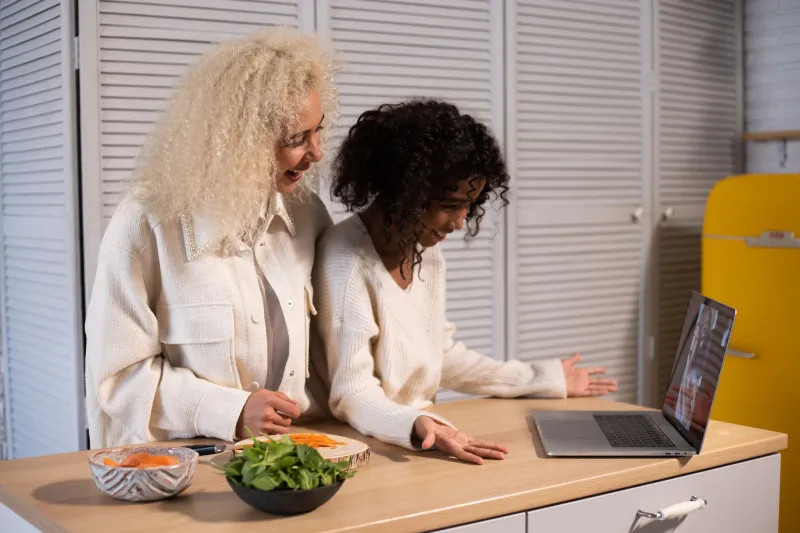
Talk to younger Punjabi Americans about food and authenticity, and you'll notice something: they're increasingly impatient with the idea that real Punjabi cooking is something you earn through proximity to Punjab. They've grown up watching YouTube tutorials from home cooks in Chandigarh, following Punjabi food content creators on Instagram, and now shopping on platforms that give them direct access to regional ingredients. They're not waiting for someone to hand them the recipe or validate their technique.
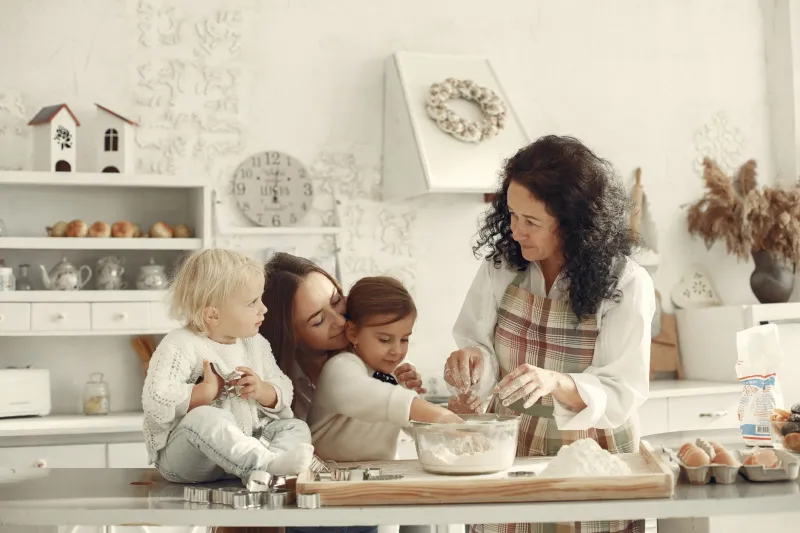
This generation is also, frankly, more comfortable with the idea that Punjabi cuisine is a living thing. It evolved in Punjab. It evolved in the UK. It's evolving right now in California and Texas and New Jersey. The version their parents cooked in a two-bedroom apartment in the '90s, working with whatever the local Indian grocery had in stock, is also Punjabi food. The version they're making today — with directly sourced ingredients and techniques learned from a mix of family memory and digital research — is Punjabi food too.
The gatekeeping, they'll tell you, was always more about power than about purity.
What 'Authentic' Actually Means Now
Here's the uncomfortable truth that online markets are forcing into the open: authenticity was never a fixed point. Even in Punjab itself, what counts as 'traditional' Punjabi food varies by district, by family, by season, and by decade. The sarson da saag your family made in Jalandhar wasn't identical to what was being made in Bathinda. The pickle recipes passed down through Sikh households in one village were different from those in a Hindu household two streets over. Authenticity, in any honest accounting, is plural.
What digital marketplaces are doing is expanding who gets to participate in that plurality. When the ingredients are accessible, the conversation opens up. A Punjabi American cook in Atlanta who can now get the right variety of dried mango powder isn't just making better amchur — she's contributing to an ongoing, living tradition. She's adding her version to the record.
And that, arguably, is more in the spirit of Punjabi culinary culture than any rigid definition of 'real' ever was. Punjabi food has always been abundant, generous, and adaptable. The langar tradition alone tells you that — food made to feed everyone, adjusted for what's available, never precious about its own legitimacy.
The Conversation That Needs to Happen
None of this means the intergenerational tension disappears overnight. There are still parents and grandparents who wince when they see a fusion recipe, who feel something protective stir when a younger family member declares their version 'just as good.' Those feelings are real and worth sitting with. They come from a place of love and loss — the grief of a homeland that exists differently in memory than it does in the present.
But maybe the more useful conversation isn't about who makes the most authentic saag. Maybe it's about what we're actually trying to preserve — and whether hoarding the definition of 'real' actually serves that goal.
Online platforms that connect the diaspora directly to Punjabi producers aren't just solving a grocery problem. They're creating infrastructure for a different kind of cultural conversation — one where access is democratized, where younger generations can engage with their heritage on their own terms, and where authenticity becomes something you build together rather than something a select few get to hand down.
The atta is finally reaching the right hands. What gets made with it is going to be worth watching.