Paying Premium to Feel at Home: The Real Price of Punjabi Food in America
There's a moment that almost every Punjabi American knows. You're standing in an Indian grocery store somewhere in Fremont or Schaumburg or Sugar Land, holding a small plastic bag of dried amchur powder, and you're doing the mental math. Back home, this stuff was practically free. Here, it's $6.49 for four ounces. You put it in your basket anyway.
That quiet calculation — part sticker shock, part resignation, part stubborn love — is what we're calling the guilt tax. Not because you should feel guilty for buying it. But because somehow, inexplicably, a lot of Punjabi Americans do feel a little guilty. For spending too much. For not making it from scratch. For buying the jarred version. For not buying the jarred version and spending three hours doing it yourself instead.
The emotional economics of Punjabi food in America are complicated, and nobody's really talking about the full picture.
What It Actually Costs
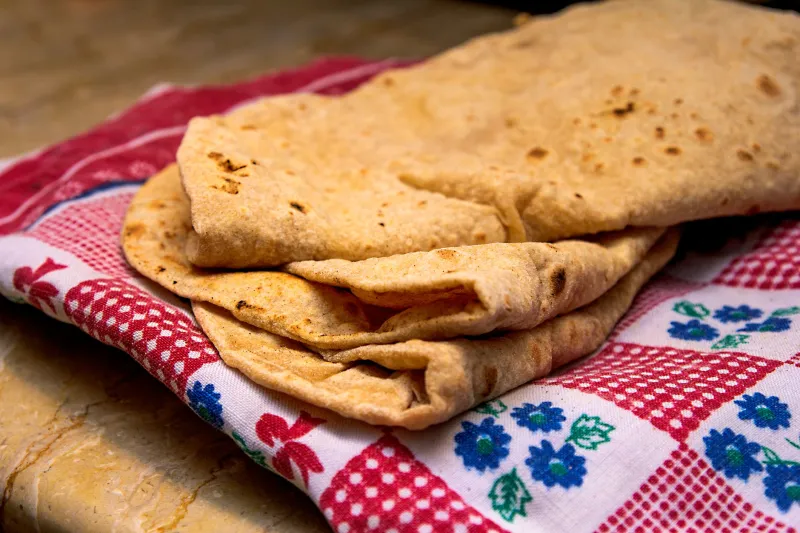
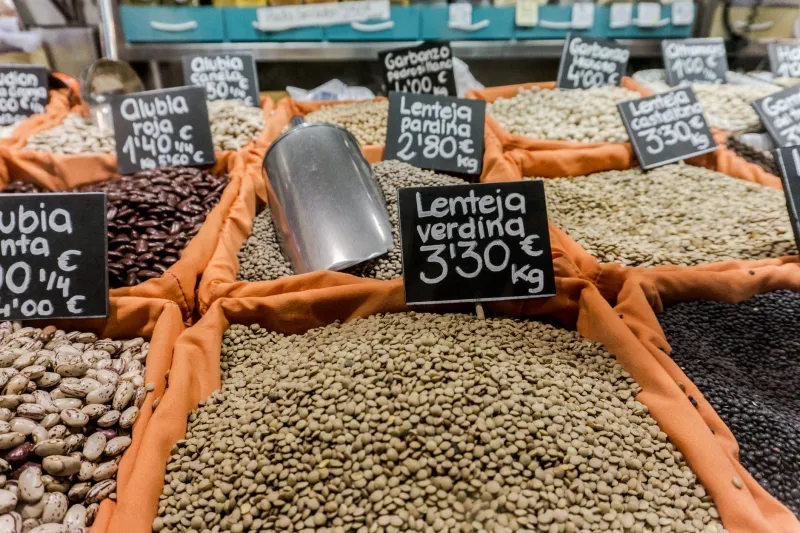
Let's start with some honest numbers. A basic Punjabi pantry — the kind your mom would consider functional, not fancy — runs somewhere between $150 and $300 to stock from scratch in a mid-sized American city. That includes your dried lentils (multiple kinds, obviously), whole spices, atta, basmati rice, ghee, dried chilies, and at least two or three specialty items that require a dedicated trip to an Indian grocery store rather than a regular supermarket.
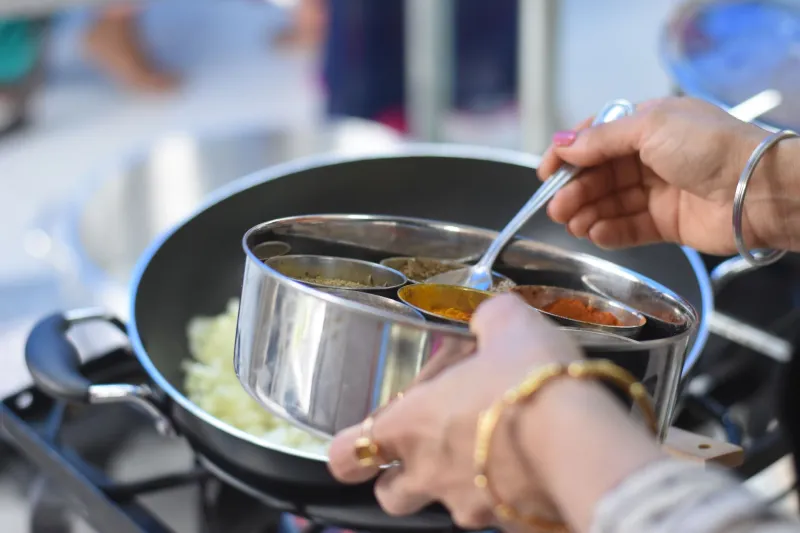
And that's before you get into the premium stuff. Imported mustard oil, which many Punjabi cooks consider non-negotiable for certain dishes, can run $12 to $18 for a liter at Indian grocery stores — and that's if you can find the brand your family trusts. Small-batch sarson ka saag spice mixes from specialty importers? Anywhere from $8 to $15 for a portion that would cost a fraction of that if you were buying the ingredients in Ludhiana. Fresh fenugreek leaves, when you can find them at all, are priced like a luxury item.
Then there's the time cost, which rarely shows up in any budget conversation but is just as real. Making dal makhani the proper way — not the 45-minute shortcut version — takes the better part of an afternoon. Grinding your own masala blends, sourcing whole dried chilies, finding the right variety of rice: these are hours, not minutes. For Punjabi Americans working full-time jobs and raising kids in the American suburbs, those hours carry actual dollar value.
The Drive Is Part of the Price
For Punjabi Americans who don't live near a dense South Asian commercial corridor, the cost goes up even before you reach the checkout line. A round trip to the nearest Indian grocery store might mean 30, 40, even 60 miles. That's gas money, that's time, and for many families, that's a full Saturday errand rather than a quick stop.
Some families have solved this through online ordering, and the market for shipped Indian pantry staples has exploded in the last five years. But shipping adds its own premium, and there's a reason so many Punjabi Americans still make that drive. You want to squeeze the fresh karela. You want to smell the dried methi. You want to ask the aunty behind the counter whether the new batch of atta is any good, because she'll actually tell you the truth.
That's not inefficiency. That's cultural infrastructure.
Why People Pay It Anyway
Here's where the emotional math gets interesting. Punjabi Americans — across income levels, across generations, across levels of assimilation — consistently report that they consider food spending non-negotiable in a way that other discretionary expenses are not. You might cut back on streaming subscriptions or eat out less often, but you do not compromise on the ghee.
Psychologists who study immigrant food behavior have a term for this: culinary anchoring. The idea is that food functions as one of the most durable and accessible links to cultural identity, particularly when other anchors — language, geography, community density — have weakened or disappeared. When you can't go home, you cook home. And cooking home costs money.
But there's something beyond nostalgia happening here. Many Punjabi Americans, particularly those who are first-generation immigrants, frame their food spending not as indulgence but as investment. Investment in their kids knowing what real sarson da saag tastes like. Investment in keeping a tradition alive that has no institutional support structure in America. Investment in the version of themselves that exists outside of their American job title and their American zip code.
"I could buy the ready-made stuff," one home cook in the Dallas-Fort Worth area told us. "Sometimes I do. But when I make it from scratch, I feel like I'm doing something that matters. Like I'm keeping something from disappearing."
The Hidden Costs Nobody Mentions
Beyond the grocery bill and the drive time, there are softer costs that rarely get counted.
There's the cost of failed experiments — the batch of achaar that didn't ferment right because you couldn't find the exact variety of raw mango the recipe called for. The biryani that came out wrong because the American basmati just doesn't behave the same way. Every Punjabi American home cook has a graveyard of these attempts, and each one represents ingredients, time, and a particular kind of quiet disappointment.
There's the cost of substitution fatigue. Using jalapeños instead of hari mirch. Using regular butter when you've run out of proper desi ghee. Using curry powder — and we say this with love — when you don't have time to build the masala from scratch. Each substitution is a small compromise, and those compromises accumulate.
And there's the social cost of maintaining standards in a context that doesn't always understand them. Explaining to American colleagues why you can't just grab lunch at the office. Politely declining the "Indian-inspired" dish at a dinner party because the spice profile is, let's say, creative. Spending the mental energy of constantly translating your food culture for people who don't share it.
The Math Still Works
Here's the thing, though: almost nobody is doing a cost-benefit analysis on their dal. The spending happens because it has to happen, because the alternative — letting those food traditions fade, letting your kids grow up without knowing the taste of home-cooked Punjabi food — feels like a loss that can't be measured in dollars.
The guilt tax is real. The premium is real. The time investment is absolutely real. But so is what you get in return: a kitchen that smells like your childhood, a table that connects your American-born kids to something larger than themselves, and a sense of continuity that no subscription service can replicate.
You put the amchur in your basket. Of course you do.