Written in Masala: Why Punjabi American Women Are Claiming the Kitchen as Their Birthright
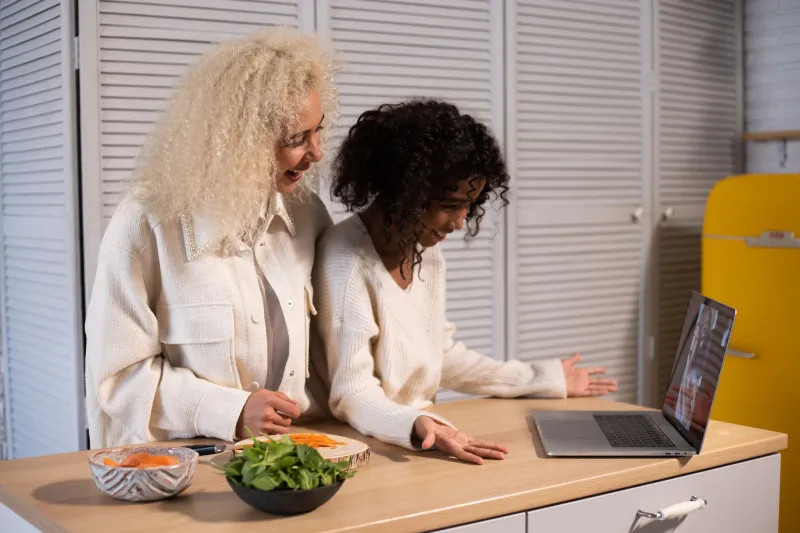
Somewhere in a Houston apartment, Simranpreet Gill is on a video call with her nani in Ludhiana, watching her demonstrate how to temper mustard seeds without burning them. She's got her phone propped against a spice jar, a notebook open on the counter, and zero shame about the fact that she's 27 years old and only just now learning this. "I used to think I'd just pick it up eventually," she says. "And then I realized — from who? When?"
That question is landing differently for a lot of Punjabi American women right now. The casual assumption that food knowledge would just transfer itself — through proximity, through osmosis, through watching Mom cook on school nights — is giving way to something more urgent. Something more intentional. A generation of women is actively reaching back into their culinary lineage and pulling it forward, not because someone told them to, but because they've figured out that if they don't, it disappears.
And they're framing it not as a hobby. Not as a cute cultural moment. But as inheritance.
The Stuff That Didn't Come With a Deed
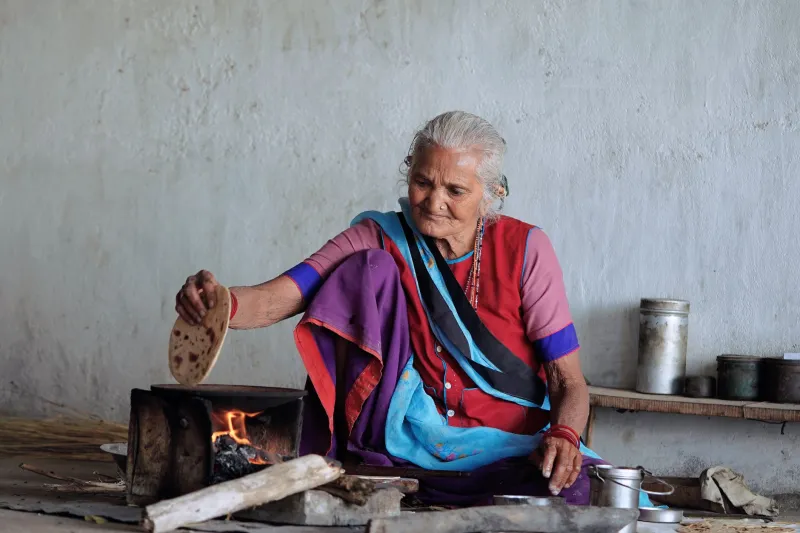
When people talk about what gets passed down in South Asian families, the conversation usually goes to jewelry. To property. To the formal, documented transfer of things that have legal weight. But anyone who grew up Punjabi knows that some of the most valuable things that moved between generations were never written down anywhere. They lived in hands. In memory. In the particular way a woman knew — without measuring — exactly how much hing was enough.
For a long time, that knowledge was treated as background noise. It was the thing women did while the real business of the household happened elsewhere. The kitchen was labor, not legacy. And that framing had consequences. It meant the knowledge wasn't always taught with intention. It meant daughters left for college without it. It meant the recipes existed in someone's muscle memory rather than anywhere a person could actually find them.
Now those daughters are adults, scattered across American cities, and the distance — both geographic and generational — is clarifying something fast. What they didn't learn when they had the chance might not be available to them for much longer.
"My mom always said she'd teach me when I had more time," says Amandeep Kaur, a nurse in the Bay Area whose mother passed away two years ago. "There was never more time. I have her handwritten notes from one recipe — just one — and I've been trying to reverse-engineer everything else from memory and phone calls with my aunts."
Not Just Nostalgia — Something Sharper
What makes this moment distinct from simple nostalgia is the political edge running through it. These women aren't just sentimental about daal makhani. They're making an argument about who gets to hold cultural knowledge and who gets to pass it on.
For much of South Asian history, the kitchen was simultaneously women's domain and women's trap — a space they controlled and were controlled by. Food mastery was expected of them but rarely credited to them. The woman who spent decades perfecting her sarson da saag recipe was feeding a family, not building expertise. Her knowledge was assumed, not honored.
Young Punjabi American women are flipping that script. By claiming food knowledge as inheritance — as something with real value, real history, real stakes — they're also insisting that the labor behind it deserves recognition. Learning to make their grandmother's achaar isn't just an act of preservation. It's an act of saying: this mattered. She mattered. And I'm not going to let it disappear because nobody thought to write it down.
"There's something really deliberate about it for me," says Kavneet Sandhu, a food blogger based in Chicago who has spent the last three years documenting her family's recipes online. "I'm not learning these dishes to be a good Punjabi wife. I'm learning them so I own them. So nobody can tell me I don't know my own culture."
The Assimilation Tax
America has a way of charging immigrants for belonging — and the currency is often culture. Punjabi families who came here in the '80s and '90s navigated a particular kind of pressure: assimilate enough to survive, but don't lose yourself entirely. Food was often one of the first casualties of that negotiation. Kids who got teased for their lunch stopped asking for paratha. Moms who were exhausted from double shifts started buying shortcuts. The full, time-intensive practice of Punjabi cooking — the slow-cooked dals, the hand-ground masalas, the dishes that take three hours and require specific knowledge — got compressed or dropped.
What's happening now is a kind of reclamation tax return. The daughters of those families are looking at what was traded away and deciding they want it back. They're taking cooking classes, joining online communities, ordering specialty ingredients from places like Punjab Bazar, and spending weekends on video calls with relatives overseas just to learn what their mothers didn't have time to teach them.
The process isn't always smooth. Sometimes the knowledge has genuinely been lost — the aunt who knew the recipe has passed, the regional variation has been forgotten, the specific ingredient isn't available here. Sometimes the emotional weight of it is heavier than expected. "I cried the first time I made my nani's kheer the right way," Simranpreet admits. "I don't know if it was grief or relief. Probably both."
What Gets Passed On Now
The transmission of food knowledge is changing form. Where it once moved in kitchens through direct instruction, it now moves through voice memos and Instagram saves and group chats full of aunties who are surprisingly willing to share once you ask the right way. It moves through diaspora food communities where women trade tips on sourcing methi leaves in Minneapolis or finding the right quality of dried mango powder in New Jersey.
And increasingly, it moves through intentional documentation. Women who learned from their mothers and grandmothers are writing it down — properly, with measurements, with context, with the stories attached — so that the next generation doesn't have to reconstruct it from fragments.
That shift matters. Because knowledge that exists only in bodies is vulnerable. And these women have watched enough of their culinary heritage slip away to understand that vulnerability firsthand.
"My daughter is six," says Kavneet. "She already knows what jeera smells like when it hits hot ghee. She knows because I bring her into the kitchen on purpose. I'm not waiting for it to just happen."
That intentionality — that refusal to leave something this important to chance — is what defines this moment. It's not about gatekeeping or tradition for tradition's sake. It's about deciding that this knowledge has value, that the women who held it had value, and that claiming it now is both an act of love and an act of resistance.
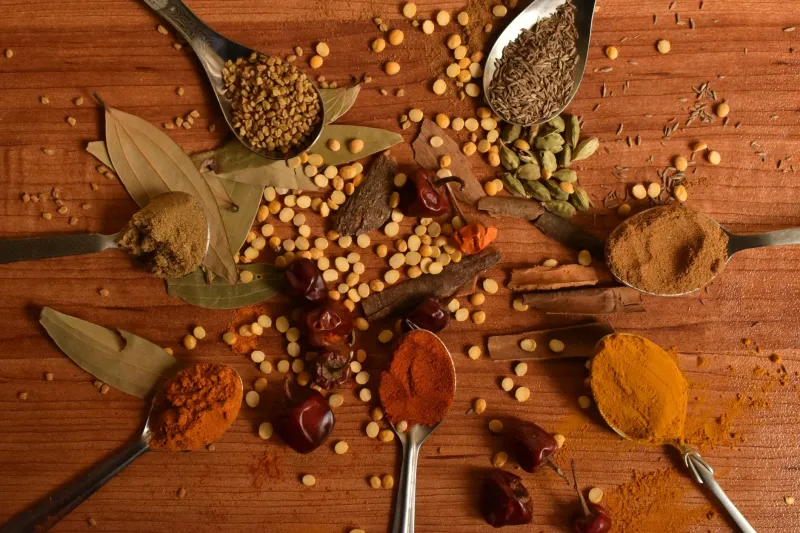
The masala doesn't just season the food. It carries the whole story. And Punjabi American women are making sure it doesn't get lost in translation.