Beyond the Indian Grocery Aisle: The Underground Hunt for Real Punjabi Pantry Staples
Let's be honest. If you've ever tried to recreate your mom's saag using spinach from a grocery chain and whatever "garam masala" was on sale at the local Indian market, you already know the heartbreak. Something is always off. The color, the depth, that particular earthy warmth that seems impossible to replicate. You're not imagining it. The ingredients really are different — and a growing community of ambitious home cooks across the US is refusing to settle.
Call them ingredient obsessives, culinary detectives, or just really dedicated home cooks. Whatever the label, they're tracking down authentic Punjabi pantry staples through channels that go well beyond the standard grocery run. And they're willing to talk about it.
The Gap Between "Indian" and Authentically Punjabi
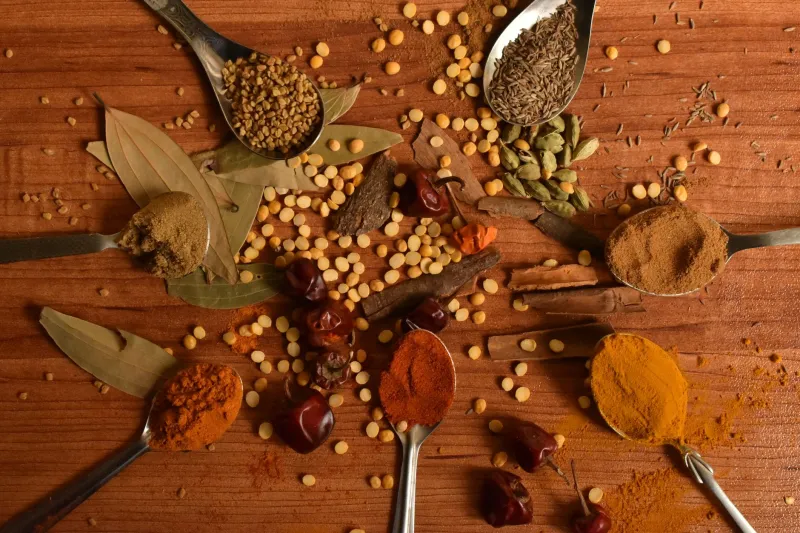
Walk into most Indian grocery stores in America and you'll find a respectable selection. Atta, dal, a wall of spice packets. But here's the thing — India is enormous, and "Indian" ingredients often means a catch-all product designed to appeal broadly rather than represent any specific regional cuisine. Punjabi cooking has its own distinct pantry: specific wheat varieties for the right atta texture, particular chili cultivars, mustard oil with a sharp pungency that generic vegetable oil will never replicate, and dried fenugreek leaves (kasuri methi) that actually smell like something.
"The kasuri methi at most stores here smells like cardboard," says Simran Dhillon, a home cook based in Fremont, California, who runs a small supper club out of her home. "I don't mean that to be rude. I just mean — if you've smelled real kasuri methi, you know the difference immediately."
That difference matters. A lot.
Suitcase Spices: The Original Import Channel
For generations, the most reliable way to stock a Punjabi pantry in America has been through the informal network of family and friends traveling back and forth from Punjab. Whole spices, hand-ground masalas, specialty flours — all carefully packed into checked luggage, sometimes wrapped in layers of plastic bags to pass the smell test at customs.
This is, of course, where things get tricky legally. Bringing certain agricultural products into the US requires declaration and can be subject to confiscation by US Customs and Border Protection. Most whole, processed spices are permitted, but fresh produce, certain seeds, and unprocessed plant materials are not. The community workaround? Everything comes dried, sealed, and commercially packaged where possible. People know the rules — mostly.
"My mother-in-law brings me a specific ground chili from Amritsar every time she visits," admits one home cook in New Jersey who asked to remain anonymous. "I don't think it's technically illegal, but I also don't ask too many questions. It just tastes right."
Going Direct: Legitimate Import Options That Actually Work
For those who'd rather not rely on a relative's travel schedule, a small but growing number of legitimate channels are making it easier to source the real stuff.
Specialty online retailers have stepped up in a big way. Platforms like iShopIndian, Desiclik, and a handful of regional vendors on Etsy and Amazon Marketplace now carry items you'd genuinely struggle to find locally — Chakki-ground whole wheat atta from specific mills, Punjabi wadi (dried lentil dumplings), amchur powder with actual tartness, and even regional pickle varieties. Quality varies, so reading reviews from other Punjabi diaspora shoppers is essential.
Direct-to-consumer spice importers are another option gaining traction. Companies like Diaspora Co. and Burlap & Barrel don't specialize exclusively in Punjabi cuisine, but they source single-origin spices directly from Indian farms — including Kashmiri chili, turmeric, and black cardamom — with full traceability. The price point is higher, but so is the quality.
Community buying groups have also emerged in cities with significant Punjabi populations. In places like Edison, NJ, Yuba City, CA, and the Chicago suburbs, informal WhatsApp groups coordinate bulk orders from suppliers, splitting shipping costs and making specialty items more accessible.
What to Actually Look For: Quality Indicators That Matter
Once you've found a potential source, knowing what good looks and smells like is half the battle. Here's what experienced Punjabi home cooks recommend checking:
- Atta: Should feel slightly coarser than all-purpose flour, with a faint wheaty aroma. If it smells stale or neutral, it's been sitting too long.
- Kasuri Methi: Rub a pinch between your fingers and smell it. It should be distinctly fenugreek-forward — slightly bitter, herby, almost maple-adjacent. No smell means no flavor.
- Mustard Oil: Cold-pressed is essential. It should have a sharp, almost nose-tingling pungency. If it smells mild, it's been refined too heavily.
- Dried Red Chilies: Look for whole chilies with intact skin and a deep brick-red color. Faded or orange-ish color often indicates age or sun damage.
- Black Cardamom: Should be firm, smoky-smelling, and dark brown. Soft pods with a faint smell have lost their essential oils.
When You Can't Find It: Smart Substitutions That Don't Embarrass You
Sometimes the ingredient just isn't available, and that's okay. Experienced cooks have developed workarounds that honor the spirit of the dish without compromising entirely.
For mustard oil, food-grade mustard oil sold as a massage or hair product (yes, really) is often the same product — just labeled differently for regulatory reasons. Many cooks use it freely. Alternatively, a small amount of dry mustard powder bloomed in a neutral oil gets you partway there.
For Punjabi-style atta, mixing whole wheat flour with a small amount of all-purpose flour (roughly 80/20) softens the texture closer to what Chakki-ground atta produces. It's not identical, but it's noticeably better for roti than straight whole wheat.
For regional chili varieties, a blend of paprika (for color and mild sweetness) and cayenne (for heat) approximates Kashmiri chili reasonably well. The ratio depends on your heat preference.
Building Your Authentic Punjabi Pantry: A Long Game
The truth is, stocking a genuinely authentic Punjabi pantry in America is a project, not a shopping trip. It takes time, a few failed experiments, some community connections, and a willingness to spend a bit more on the ingredients that really matter.
But here's the thing — every home cook who's made that effort will tell you the same thing. The food tastes different. Not just marginally different. Deeply, recognizably different in the way that makes you close your eyes for a second when you take the first bite.
That's what we're all chasing, isn't it? That taste of home, delivered — however creatively — right here in America.
Have a go-to source for hard-to-find Punjabi ingredients? Drop it in the comments. This community runs on shared knowledge.