Dadi's Haldi in a $14 Latte: How Punjabi Turmeric Got Repackaged and Sold Back to Us
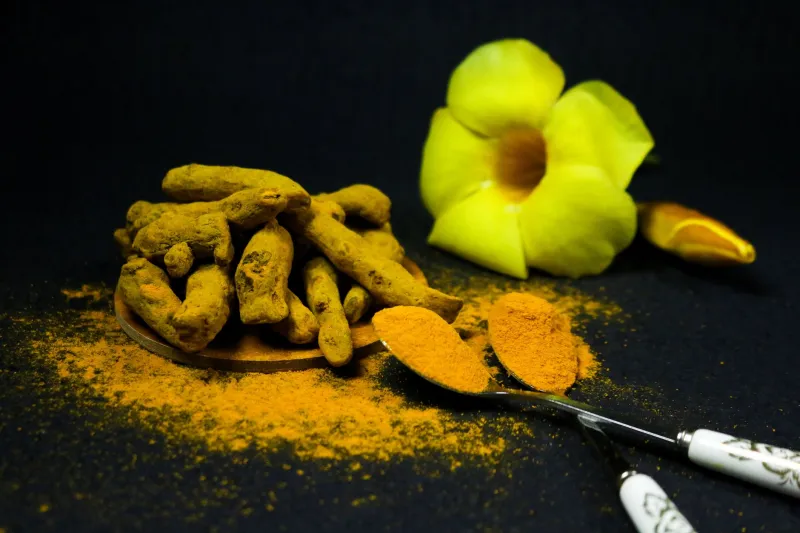
Somewhere in Fresno, a Punjabi American woman named Harpreet Gill is standing in a Whole Foods, staring at a small glass bottle of "Golden Mylk Elixir" priced at $18.99. The ingredient list reads: turmeric, black pepper, coconut milk powder, ginger. She bought a two-pound bag of turmeric at the Indian grocery last week for $4.50. She sets the bottle back on the shelf and laughs — not entirely because it's funny.
"My nani used to make haldi doodh every single night," she says. "Nobody called it a superfood. It was just what you drank when you had a cold, or when your knee hurt, or sometimes just because she made it and you drank it. That was the whole story."
That story, it turns out, has become a $2 billion industry.
From the Spice Tin to the Supplement Aisle
Turmeric's rise in American wellness culture has been steep, fast, and — depending on who you ask — deeply uncomfortable. By the mid-2010s, the spice had gone from a back-shelf pantry staple in South Asian households to the centerpiece of juice bar menus, Instagram smoothie bowls, and celebrity detox routines. Starbucks briefly launched a turmeric latte. Goop featured it. Health influencers with no discernible connection to South Asia were posting golden latte selfies as though they'd discovered fire.
For Punjabi Americans, watching this unfold has been a particular kind of whiplash. Turmeric — haldi — is not a trend in Punjabi culture. It's infrastructure. It goes into nearly every savory dish. It gets rubbed on chicken before it hits the pan. It's mixed with warm milk for sleep, with honey for a sore throat, with oil for skin. At Punjabi weddings, the haldi ceremony involves literally applying turmeric paste to the bride and groom's skin. This is not a wellness hack. This is centuries of lived tradition.
"I remember being embarrassed about the smell of haldi as a kid," says Simran Dhaliwal, a second-generation Punjabi American in Sacramento. "Teachers would comment on it. Kids would say things. And now the same demographic is paying twelve dollars for a turmeric shot at a juice bar. The cultural whiplash is real."
What Gets Lost in the Rebrand
The problem isn't that Americans discovered turmeric has health benefits — it does, and that's genuinely good information. The issue is what happens to cultural context when a food becomes a commodity. When turmeric gets extracted from its culinary and ceremonial roots and repackaged as a neutral "superfood," it tends to arrive stripped of the people, practices, and knowledge systems that understood it long before any clinical trial.
Ayurvedic medicine — the ancient Indian health tradition that documented turmeric's properties in extensive detail — rarely gets credited in the wellness marketing. The Punjabi cooks who incorporated it into every meal for generations don't appear in the brand story. What remains is the ingredient, now priced at a premium, sold in minimalist packaging, and marketed primarily to consumers who would have wrinkled their nose at it twenty years ago.
For diaspora communities, this creates a specific economic absurdity: the same haldi that costs pennies per serving at the Indian grocery is now being sold back in a gentrified form at prices that exclude the very communities who kept the tradition alive.
"I went to a farmers market and someone was selling 'artisanal turmeric paste' for eleven dollars a jar," says Mandeep Brar, a food blogger based in the Bay Area. "I make the same thing at home. I've been making it since I was twelve. Nobody was paying me eleven dollars for it."
The Authenticity Economy
There's a broader conversation happening in Punjabi American communities about who profits from cultural knowledge — and who gets left out. It's not unique to turmeric. Yoga, meditation, adaptogenic herbs, and dozens of other practices with deep South Asian roots have gone through similar cycles of Western adoption, rebranding, and monetization. Turmeric is just the version you can taste.
Some Punjabi Americans have found a way to turn the trend into an opportunity. A handful of South Asian-owned wellness brands have entered the market specifically to reframe the conversation — offering turmeric products that explicitly credit their origins, with sourcing that connects back to Indian farmers and Ayurvedic tradition. Brands like Diaspora Co. (though not Punjabi-specific) have modeled how to sell spices with cultural honesty and direct trade pricing. The space is growing.
"If the trend is happening anyway, I'd rather see Punjabi and South Asian businesses benefit from it," says Dhaliwal. "The knowledge came from us. The least we can do is make sure some of the money does too."
Haldi Doodh Will Always Be Home
Meanwhile, in Punjabi American kitchens across the country, haldi doodh is still being made exactly the way it always was. Warm whole milk. A heaping spoonful of turmeric. A pinch of black pepper (which, it turns out, significantly increases curcumin absorption — something Punjabi grandmothers knew empirically long before the research caught up). Sometimes cardamom. Sometimes a little ghee. Sweetened with sugar or jaggery, depending on the household.
No froth art. No $14 price tag. No Instagram caption.
"My mom still makes it for me when I'm sick and I'm thirty-four years old," says Harpreet Gill. "And it still tastes like home in a way that nothing in that Whole Foods aisle ever will."
That's the thing about haldi. You can rebrand it, repackage it, put it in a sleek amber bottle and write 'golden elixir' on the label in a sans-serif font. But it still tastes like the same spice that's been sitting in Punjabi kitchens for centuries. The context is where the flavor actually lives — and that part isn't for sale.