Beyond Mango and Plain: The Lassi Traditions Punjabi Americans Are Finally Talking About
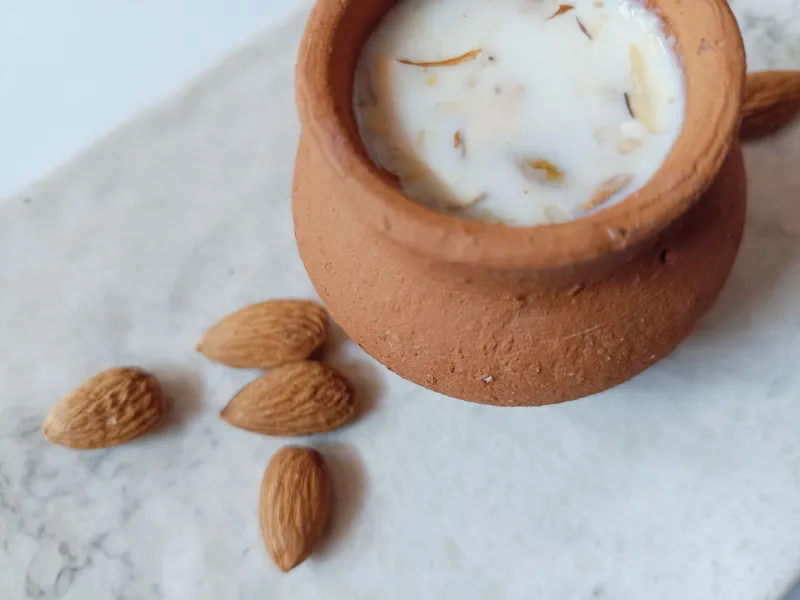
Walk into almost any Indian restaurant in America and lassi means one thing: a thick, sweet mango shake with a straw. Maybe there's a rose version if you're lucky. But for Punjabi families who grew up drinking something far more complex — salted, spiced, sometimes fermented overnight in clay matkas — that menu item barely scratches the surface. We talked to home cooks, food historians, and a few entrepreneurs who are bottling something much closer to the real thing.
What Most Americans Think Lassi Is (And Why That's Only Half the Story)
The mango lassi became America's entry point into South Asian beverages for a simple reason: it's approachable. Sweet, fruity, cold — it fits right alongside a smoothie or a milkshake in the American imagination. Restaurant owners in the '80s and '90s figured that out quickly, and the drink stuck.
But Gurpreet Dhaliwal, who grew up in Ludhiana before moving to Fremont, California in her twenties, will tell you that the lassi she drank every summer morning looked nothing like what her coworkers order at lunch. "Ours was thin, almost pourable," she says. "Salted. Sometimes my nani would add a pinch of roasted jeera, a little black pepper. You'd drink it in one go and feel cool for the rest of the afternoon. It wasn't dessert — it was medicine."
That distinction matters more than it might seem. Traditional Punjabi lassi — the kind made in rural households across the Majha and Malwa regions — was built around function as much as flavor. It was a way to use surplus dahi, yes, but also a drink specifically designed to cool the body during Punjab's brutal summer heat. The salt wasn't a quirky variation. It was the point.
The Regional Spectrum Nobody Talks About
Food historian and diaspora food writer Simran Sethi, who has spent years documenting South Asian culinary traditions, puts it plainly: "There is no single lassi. There are dozens, and most of them never left the villages they were born in."
In parts of the Doaba region — the area between the Beas and Sutlej rivers that has sent enormous numbers of immigrants to the UK and North America — lassi is often made from the whey left after churning butter, giving it a lighter, slightly tangy profile that's almost drinkable like water. In contrast, some households in the Amritsar area prefer a thicker, creamier version churned from full-fat buffalo milk dahi, sometimes sweetened with raw cane sugar instead of refined white sugar, which adds a faint molasses note that processed sugar simply can't replicate.
Then there's the bhang lassi — legal in certain parts of India during festivals like Holi and Baisakhi — which carries its own complicated cultural significance and is obviously not something anyone's bottling for sale in New Jersey. But its existence points to something important: lassi has always been a ceremonial drink, not just a casual one.
The Secret Ingredient Most Recipes Leave Out: Time
Ask diaspora home cooks what separates their grandmother's lassi from anything you can order at a restaurant, and the answer almost always circles back to the same thing: the dahi itself.
"My mom would set the yogurt the night before," says Manpreet Sandhu, who runs a popular South Asian food account out of Houston. "She'd use a little bit of the old batch as a starter — like sourdough, basically. By morning it had this depth to it, a slight sourness that fresh store-bought yogurt just doesn't have. You can taste the difference immediately."
That slow fermentation is nearly impossible to replicate with commercial Greek yogurt, which is strained, stabilized, and often made from pasteurized milk that's been processed in ways that limit bacterial complexity. It's not bad yogurt. It's just different yogurt — optimized for shelf life and consistency rather than flavor depth.
Some Punjabi American households have started making their own dahi at home specifically to get that flavor back. A small but growing community of home fermenters on platforms like Reddit and YouTube has begun sharing techniques for maintaining a dahi culture across generations — treating it almost like a family heirloom.
Entrepreneurs Stepping Into the Gap
A handful of small businesses across the US have started recognizing that gap between what diaspora consumers remember and what's commercially available.
In the Bay Area, a small-batch producer called Dahi & Co. (not their real name — they asked to stay off the record until their official launch) has been selling refrigerated lassi in four varieties at South Asian grocery stores in Fremont and Sunnyvale: classic salted, sweet with jaggery, a spiced version with cardamom and saffron, and a seasonal turmeric-ginger blend. Their bestseller, perhaps unsurprisingly, is the salted.
"We thought the sweet one would carry everything," one of the founders told us. "But the aunties — they come in, they see the salted, and their eyes light up. They'll buy three bottles at once. They've been waiting for this."
In Chicago, a Punjabi-owned café called Pinni & Co. has been serving a rotating lassi menu that changes with the season, drawing on regional recipes the owner collected during visits back to Punjab. Winter brings a warming version with dry ginger and a touch of ghee floated on top — a combination that sounds unusual until you taste it and realize it's essentially a hug in a glass.
What Gets Lost in Translation
There's a deeper conversation happening here that goes beyond beverage preferences. For many Punjabi Americans — especially second-generation folks who grew up navigating between their parents' kitchen and the American cafeteria — the simplified, sweetened lassi at the local Indian restaurant represents a broader pattern of cultural flattening. Complex traditions get smoothed into something more palatable, more marketable, more legible to an outside audience.
That's not a criticism of restaurant owners, many of whom were simply trying to survive in a market that didn't yet understand their food. But it does mean that an entire generation of Punjabi Americans grew up thinking their culture's drinks were simpler than they actually were.
Recovering that complexity — through home cooking, through small businesses, through conversations like this one — is part of what Punjab Bazar is here for. The lassi your grandmother made wasn't a restaurant menu item. It was a practice, a ritual, a relationship with ingredients that took years to develop.
So, Sweet or Salty?
If you ask Gurpreet Dhaliwal, there's no debate. "Salty. Always salty. Sweet lassi is fine, but it's not what we drank." Manpreet Sandhu says it depends on the time of day. Simran Sethi refuses to choose, which feels like the most historically accurate answer.
What everyone agrees on is this: the version worth seeking out is probably not on any restaurant menu near you. It might be in your aunt's kitchen. It might be in a small South Asian grocery in a strip mall twenty minutes from your house. It might be something you make yourself, slowly, with yogurt you set the night before.
That's the lassi worth talking about.