Dirt Under Their Nails, Desi Roots in Their Hearts: How Punjabi Americans Are Growing Their Own
Somewhere in Fresno, California, Harpreet Gill is arguing with a bitter melon vine. It's July, the thermometer is nudging 104°F, and the karela — stubborn as ever — is finally, gloriously climbing the trellis she welded together from salvaged chain-link fencing. Her neighbors think she's a little eccentric. Her mother, calling from Ludhiana, thinks she's a genius.
"She said, 'Beta, the soil there is nothing like ours,'" Harpreet laughs. "And she was right. But I told her — neither are we anymore. We adapt."
That quiet act of adaptation is happening all across the United States, from the humid backyards of New Jersey to the sun-baked community plots of Phoenix and the cool Pacific Northwest micro-gardens of Bellevue, Washington. Punjabi American families — tired of paying a premium for watery, flavorless versions of the vegetables that define their cuisine — are getting their hands dirty and growing their own.
The Sourcing Problem Nobody Talks About Enough
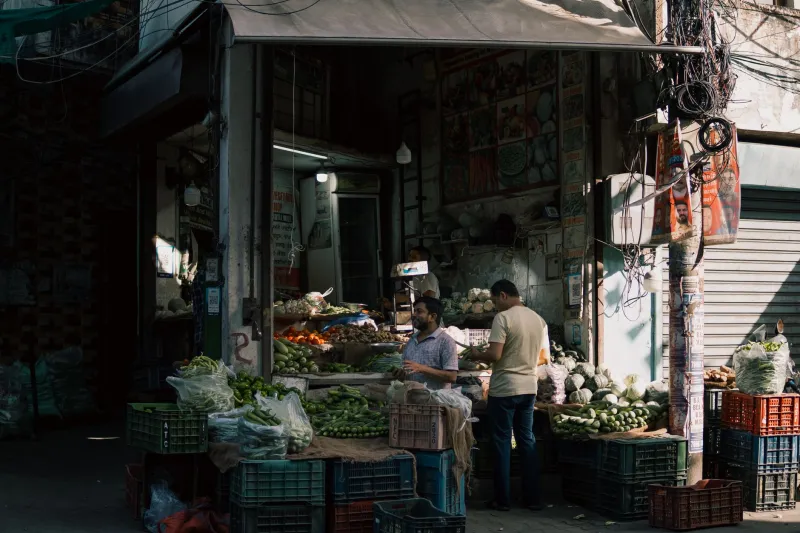
Anyone who's cooked Punjabi food in America knows the quiet frustration. You find something labeled "fenugreek leaves" at a grocery store, bring it home, and it tastes like lawn clippings with ambition. Bottle gourd — lauki — is often available, but the texture is off, the flavor muted. And don't even get started on fresh turmeric or the specific variety of green chili your dadi swears by.
The ingredients exist here, but they're rarely right. That gap between what's available and what's authentic has pushed a growing number of diaspora gardeners to simply grow their own.
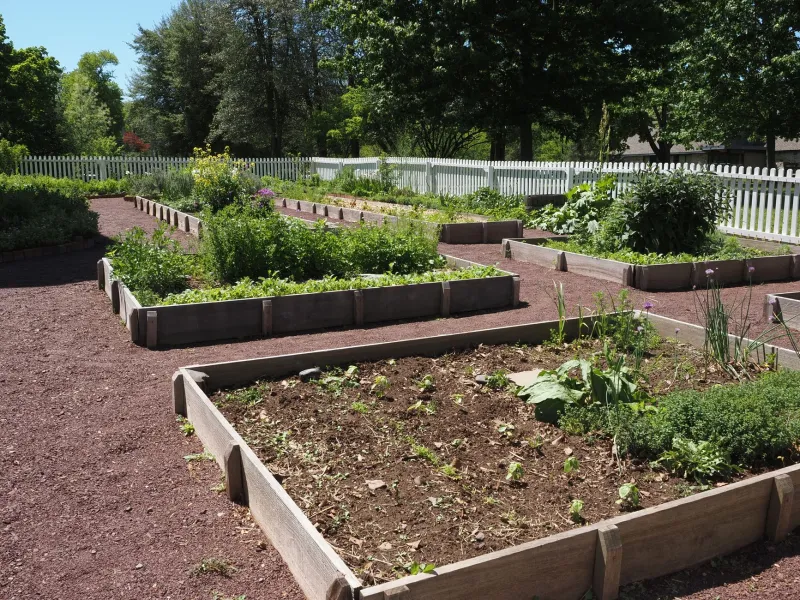
"I got tired of the substitution game," says Gurdeep Sandhu, who tends a 400-square-foot raised-bed garden behind his home in Sunnyvale, California. "Every recipe from my mom involved some ingredient I couldn't find, or something that looked right but wasn't. When I started growing methi myself, the first time I made saag with it, my wife cried. She said it tasted like her grandmother's house."
Regional Climates, Desi Crops: What Actually Works
The good news for aspiring Punjabi American gardeners is that many traditional crops are more adaptable than you'd think. The challenges are real, but so are the workarounds.
Fenugreek (Methi) Probably the easiest win for beginners. Methi grows fast — you can harvest leaves in as little as three weeks — and it tolerates a wide range of climates. In colder states like Minnesota or Illinois, it does beautifully as a cool-season crop in spring and fall. In warmer climates, plant it in partial shade during summer to prevent bolting. Container gardening works wonderfully here; a simple 12-inch pot on a sunny windowsill will keep you in fresh leaves year-round.
Bitter Melon (Karela) This one rewards patience and punishes neglect. Karela needs heat — real heat — and a long growing season. It thrives in the South and California's Central Valley, but gardeners in the Midwest and Northeast have had success starting seeds indoors six to eight weeks before the last frost and transplanting once temperatures stay consistently above 65°F. Give it something to climb. It will climb.
Bottle Gourd (Lauki/Doodhi) Lauki is a sprawler and needs space, but it's surprisingly forgiving about soil quality. It loves humidity, which makes it a natural fit for the Mid-Atlantic states and the South. In drier climates, consistent deep watering is non-negotiable. Many gardeners grow it vertically on sturdy trellises to save ground space — the gourds hang beautifully and are easier to spot at harvest.
Tinda (Indian Round Gourd) Less commonly found even in South Asian grocery stores, tinda is almost impossible to source fresh in most American cities. But it grows readily from seed in warm climates and is increasingly available through online seed retailers like Kitazawa Seed Company or through community seed swaps.
Fresh Turmeric and Ginger Both are rhizomes that need a long, warm growing season. In USDA hardiness zones 8 and above, they can be grown outdoors with minimal fuss. In cooler zones, container growing is the answer — bring the pots inside before frost and they'll overwinter happily in a sunny spot.
Community Gardens as Cultural Anchors
Not everyone has a backyard. But across American cities, South Asian diaspora communities are staking out space in community gardens and transforming them into something that feels a little like home.
In Fremont, California — often called the "Little Kabul" of the Bay Area but equally home to a large Punjabi Sikh community — the Irvington Community Garden has become an informal gathering spot where aunties trade seeds, compare notes on aphid control, and argue about the correct way to stake a lauki vine. It's part gardening club, part cultural preservation society.
"Nobody planned it this way," says Manjit Kaur, who coordinates the garden's South Asian plot section. "People just started requesting plots, and then they started talking to each other, and now we have a WhatsApp group with 60 people sharing growing tips and seed sources."
Similar informal networks have sprung up in cities like Edison, New Jersey; Sugar Land, Texas; and Naperville, Illinois — anywhere the Punjabi diaspora has put down roots.
Passing It Down
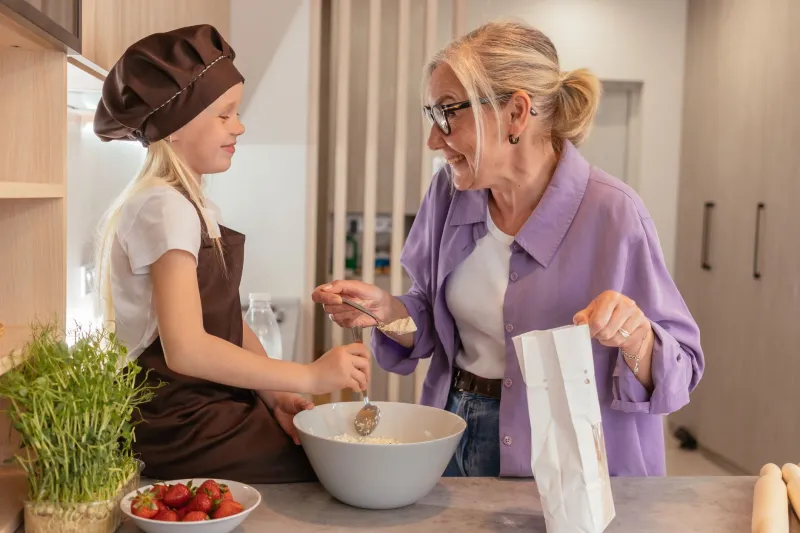
Perhaps the most meaningful dimension of this backyard revolution is what it's doing for the generation born here. Kids who might otherwise experience Punjabi food only as something that appears on the table, fully formed and mysterious, are learning where it actually comes from.
Harpreet's teenage daughter, Simran, initially wanted nothing to do with the garden. "She thought it was embarrassing," Harpreet says, grinning. "But then she tasted the karela sabzi we made from our own harvest, and she started asking questions. Now she's the one who reminds me when it's time to water."
That's the thread connecting all of these gardeners — the understanding that food knowledge is cultural knowledge, and that once it's lost, it's very hard to get back. Growing your own desi produce isn't just about better flavor, though the flavor is genuinely better. It's about keeping a living connection to a place and a way of life that's thousands of miles away.
The soil here isn't Punjab's soil. The light isn't Punjab's light. But the seeds are the same, the recipes are the same, and the love that goes into the cooking — that hasn't changed at all.
Looking for seeds to get started? Check the Punjab Bazar community boards — our readers regularly share sources for hard-to-find desi vegetable seeds, including heirloom varieties.