Chaat, Hustle, and the American Dream: Meet the Punjabi Entrepreneurs Who Put Street Food on the Map
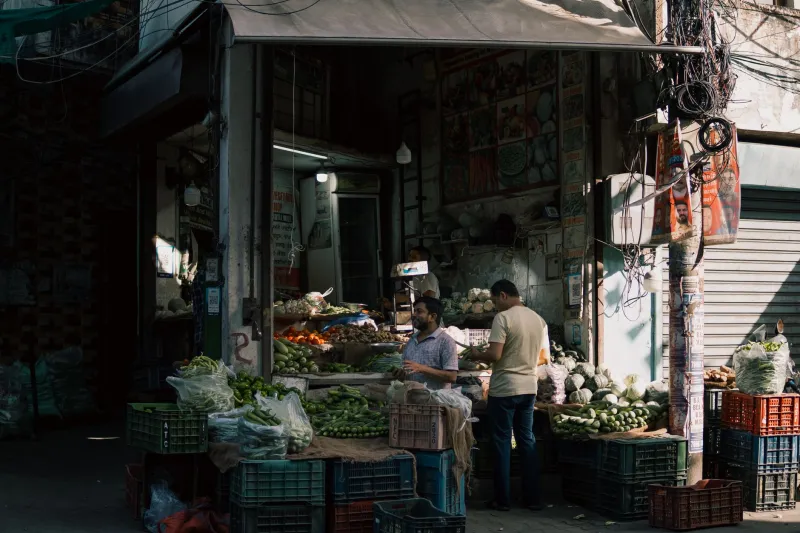
Picture a food truck parked outside a tech campus in Sunnyvale on a Tuesday afternoon. The line stretches back thirty feet. The menu board lists aloo tikki chaat, rajma chawal, and a rotating special that last week was sarson da saag with fresh makki di roti. The owner, Balwinder Singh — everyone calls him Bobby — is simultaneously taking orders, working the cash drawer, and arguing cheerfully with his cousin about whether the tamarind chutney needs more jaggery.
He's been doing this for eleven years. Before the truck, there was a cart. Before the cart, there was a folding table at a weekend flea market in Milpitas. Before that, there was a one-way ticket from Amritsar and about $800 in his pocket.
"Nobody told me Americans would love chaat," Bobby says, ladling chole over a crisp puri. "I just knew I loved making it, and I figured — people are people. Good food is good food."
He wasn't wrong. But the path from that folding table to a fully permitted, Instagram-famous food truck wasn't a straight line, and Bobby's story is far from unique.
The Dhaba DNA
To understand what Punjabi food entrepreneurs have built in America, you have to understand the dhaba — that glorious, no-frills roadside institution that has fed truck drivers, farmers, and travelers across Punjab for generations. Dhabas don't pretend to be anything they're not. The plastic chairs wobble. The dal is made in massive iron karahis. The chai comes in small glasses and costs almost nothing. And the food, almost without exception, is extraordinary.
That ethos — unpretentious, generous, focused entirely on flavor — is the DNA that Punjabi immigrant food entrepreneurs carried with them to America. They didn't arrive dreaming of white-tablecloth restaurants. They arrived with recipes, work ethic, and a deep-seated belief that food should bring people together rather than intimidate them.
"My father ran a dhaba on the GT Road for twenty years," says Gurpreet Dhaliwal, who owns a chaat counter inside a food hall in Chicago's Devon Avenue neighborhood — long known as "Little India." "When I came here, I didn't know how to do anything else. So I did what I knew."
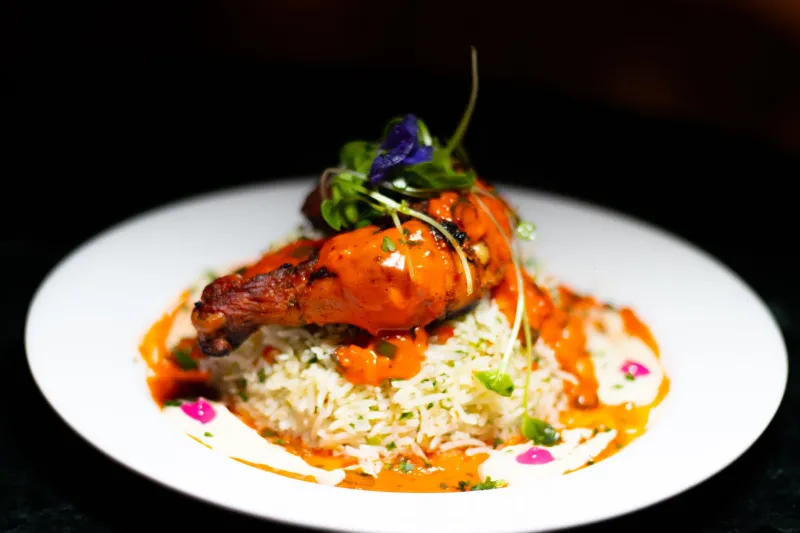
What Gurpreet knew was how to make pani puri that cracked perfectly, papdi chaat that hit every note simultaneously — sweet, sour, spicy, savory — and a lassi so thick you had to eat it with a spoon. His counter, Punjabi Pataka, has been running for eight years. On weekends, the line spills out the door.
Building a Business When the Rulebook Doesn't Account for You
For all the romance of the immigrant entrepreneur story, the practical reality involves navigating systems that weren't designed with desi street food in mind. Health codes, permitting requirements, zoning laws, commissary kitchen arrangements — the American food business infrastructure is complex, and it's even more complex when your product involves ingredients and techniques that inspectors have never encountered.
"The first time a health inspector came to my cart, he didn't know what tamarind was," recalls Simran Brar, who operates a South Asian street food cart in Portland, Oregon. "I had to explain every ingredient. It took two hours. But he was genuinely curious, and by the end he was asking me for recipes."
Simran's experience points to something important: the obstacles are real, but so is the curiosity on the other side. American food culture has become genuinely open to new influences in ways that would have been harder to navigate a generation ago.
Funding has historically been another barrier. Traditional small business loans often require credit histories and collateral that newly arrived immigrants don't have. Many of the entrepreneurs interviewed for this piece describe early years of bootstrapping — saving every dollar, leaning on family networks, starting smaller than small and scaling up slowly.
"My aunts and uncles invested in me," says Bobby. "Not a lot of money, but enough to buy a better griddle. In our community, that's how it works. You support each other."
Chaat Stands to Cultural Anchors
What's striking about the most successful Punjabi food businesses in America isn't just their food — it's the role they play in their communities. These aren't just places to eat. They're places to belong.
In Fremont, California, a city with one of the largest Punjabi Sikh populations in the country, the annual Bhangra Food Festival draws thousands of attendees. Food vendors — most of them small, family-run operations — set up stalls selling everything from lassi to seekh kebabs to jalebi fresh from the kadhai. For many second-generation Punjabi Americans, it's one of the few times they see their culture reflected back at them on a large scale in their own city.
"My kids come to the festival and they see that this food is special," says vendor Maninder Kaur, who drives up from San Jose with her husband and two teenage sons every year. "They see other people excited about it. That matters."
The cultural anchoring function extends beyond festivals. In cities like Edison, New Jersey; Artesia, California; and Sugar Land, Texas, Punjabi-owned eateries and food stalls serve as informal community centers. Deals are made over plates of chole. Newcomers find their footing. Elders find familiar comfort. The food is almost secondary to the connection.
Crossing Over: When Punjabi Street Food Goes Mainstream
Something interesting has been happening over the past decade. The customers lining up at Punjabi food trucks and chaat counters are no longer predominantly South Asian. They're everybody.
Food media has played a role — chaat has had its moment in the spotlight on cooking competition shows, in food magazines, and across social media. But the entrepreneurs themselves have also been intentional about building bridges without compromising authenticity.
"I don't change my recipes for non-Indian customers," says Gurpreet flatly. "If someone asks me to make it less spicy, I make it less spicy. But the flavors are the flavors. I'm not going to make chaat taste like something it's not."
That commitment to authenticity, paradoxically, is part of what's driven mainstream interest. American diners have grown sophisticated enough to recognize and appreciate the real thing — and Punjabi street food, at its best, is undeniably the real thing.
Bobby, the food truck owner who started with a folding table, is now consulting with two other Punjabi entrepreneurs who want to start their own operations. He mentors them the way his uncles mentored him — practically, generously, and over very good food.
"This country gave me a chance to do what I love," he says, handing a container of chaat to a customer who's clearly a regular. "The least I can do is help the next person get their chance too."
The dhaba spirit, it turns out, travels just fine.
Know a Punjabi food entrepreneur whose story deserves to be told? Reach out to the Punjab Bazar editorial team — we're always looking for the next great story from our community.