Whole Spice, Whole Story: How Punjabi Americans Are Ditching the Jar and Grinding Their Own
Photo: Alpha from Melbourne, Australia, CC BY-SA 2.0, via Wikimedia Commons
Walk into Simran Dhaliwal's kitchen in Fremont, California on a Sunday morning and you'll smell something that stops you in your tracks. It's not a candle. It's not a diffuser. It's a dry pan on a low flame, slowly coaxing the oils out of whole coriander seeds, a handful of dried Kashmiri chillies, and a small mountain of cumin. Simran, who moved from Ludhiana to the Bay Area twelve years ago, calls this her "Sunday ritual." Her American-born neighbors call it "whatever that incredible smell is."
"I used to buy the ready-made garam masala from the grocery store just like everyone else," she says, stirring the pan without looking up. "Then my mother visited and she tasted my dal and just — she made a face. That face told me everything."
That face. If you're Punjabi American, you know exactly which face she means.
The Problem with the Packet
Pre-mixed spice blends aren't inherently bad. They're convenient, shelf-stable, and consistent. For someone juggling a full-time job, kids, and a commute, cracking open a jar of garam masala and shaking it into a pot is a completely reasonable choice. Nobody is here to judge.
But convenience comes at a cost, and that cost is flavor complexity.
Dr. Priya Anand, a food scientist based in Chicago who consults for several South Asian food brands, explains it simply: "Whole spices contain volatile aromatic compounds — essential oils — that start degrading the moment you grind them. A commercial blend that's been ground, packaged, shipped, and sitting on a shelf for six months has lost a significant percentage of those compounds. You're essentially cooking with the ghost of the spice."
The ghost of the spice. That phrase landed differently for a lot of home cooks when Dr. Anand used it during a virtual panel hosted by a Punjabi cultural association in New Jersey last year. Attendees started texting each other. Screenshots circulated. Someone made it into a meme.
The Merchants Who Saw It Coming
Harpreet Singh has been running a spice import business out of Edison, New Jersey for over a decade. He sources directly from farms in Punjab, Rajasthan, and Kerala, and he's seen a clear shift in what customers are asking for.
"Five years ago, people mostly came to me for ready blends," he says. "Now I'm selling three times as much whole spice — whole black cardamom, whole mace, dried fenugreek leaves, stone-ground dried ginger. People are reading labels. They're asking where things come from. That's new."
Harpreet attributes some of this to the pandemic, when cooking became both a hobby and a form of cultural reconnection for people stuck at home. But he also points to something less tangible: a growing sense among diaspora families that authenticity in the kitchen is worth the extra effort.
"There's a pride thing happening," he says. "People want to cook the way their grandmothers cooked. Not just the recipe — the whole process."
What's Actually in a Punjabi Spice Blend (And Why It Matters)
Punjabi cooking doesn't follow a single spice gospel. Every family has their version, their proportions, their secret additions. But there's a core vocabulary that most cooks agree on, and understanding it is the first step toward building your own rack.
The essentials:
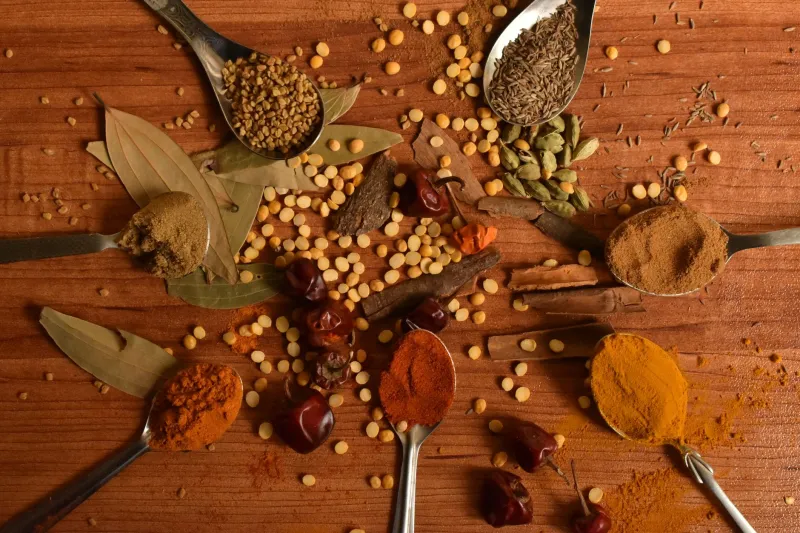
- Cumin (jeera): The backbone of almost everything. Toast it whole before grinding for a smokier, deeper flavor.
- Coriander (dhaniya): Earthy and slightly citrusy. Most commercial blends use too little of it.
- Black cardamom (badi elaichi): Smoky, camphor-like, and irreplaceable in slow-cooked meat dishes and rich dals.
- Green cardamom (choti elaichi): Floral and sweet. Use sparingly — it can dominate.
- Cloves (laung): Intense. A little goes a long way.
- Cinnamon (dalchini): Punjabi cooks often prefer cassia bark over Ceylon cinnamon — it's bolder.
- Black pepper (kali mirch): Don't skip this. It adds heat that's different from chilli heat.
- Dried red chillies: Vary the type for different heat profiles. Kashmiri chillies give color and mild warmth; small dried Thai chillies bring serious fire.
The ratio is where individual expression comes in. Some families go heavy on the black cardamom. Others lead with coriander. Simran's mother, for instance, adds a small amount of dried rose petals to her blend — something her own mother brought from a village in Hoshiarpur.
"That's the thing about grinding your own," Simran says. "You can make it yours."
A Beginner's Starting Point
If you've never done this before, the learning curve is gentler than you think. Here's a simple approach to building your first homemade Punjabi garam masala:
- Toast your whole spices separately in a dry pan over low heat until fragrant — usually 2-3 minutes each. Don't rush this.
- Let them cool completely before grinding. Warm spices in a grinder trap steam and result in uneven texture.
- Use a dedicated spice grinder (a basic electric coffee grinder works fine — just keep it separate from your coffee beans).
- Grind in small batches — enough for two to three weeks at most. The whole point is freshness.
- Store in a glass jar away from light and heat. Your cabinet next to the stove is actually the worst place for spices.
Start with a simple ratio: 3 parts coriander, 2 parts cumin, 1 part black pepper, and half parts each of black cardamom, green cardamom, cloves, and cinnamon. Adjust from there based on what your own cooking tells you.
More Than a Cooking Trend
What's happening in these kitchens is about more than flavor. For many Punjabi Americans, the shift toward whole spices is a form of cultural reclamation — a way of staying connected to a culinary tradition that can feel slippery when you're living thousands of miles from where it originated.
"My kids grew up eating my food, but they couldn't tell you what was in it," says Gurpreet Kaur, a home cook in Houston who started hosting informal spice-blending workshops for the Punjabi families in her neighborhood. "Now they're in the kitchen with me on Saturdays. They're learning the smells. That's something a store-bought packet can never teach you."
The spice rack, it turns out, is a pretty good place to start a conversation about who you are and where you come from. And if the dal tastes better as a result — well, that's just a bonus.
Looking to source quality whole spices? Punjab Bazar's marketplace connects you directly with trusted importers and small-batch spice vendors who specialize in authentic Punjabi pantry staples.