When Is Baisakhi, Actually? The Punjabi American Grocery Scramble That Starts Before Anyone Agrees on a Date
Somewhere in a group chat right now, a Punjabi American family is arguing about a date. Not about whether to celebrate — that's not up for debate. The question is when, and the answer depends entirely on which family member you ask, which side of the border their relatives are on, and whether anyone has checked the lunar calendar recently.
Welcome to the festival planning problem that nobody in the diaspora talks about loudly enough: Punjabi holidays don't run on a fixed schedule that syncs up neatly with the American grocery store restock cycle. And when your family's celebration date is still being negotiated while the paneer is already on sale, things get complicated fast.
Three Countries, Zero Consensus
One of the quietly exhausting realities of being Punjabi American is that your family's cultural reference points are scattered across at minimum two countries — India and Pakistan — and often a third or fourth, depending on where various relatives settled after Partition or subsequent migrations. Canada, the UK, and Australia each have their own Punjabi diaspora communities with their own localized celebration norms.
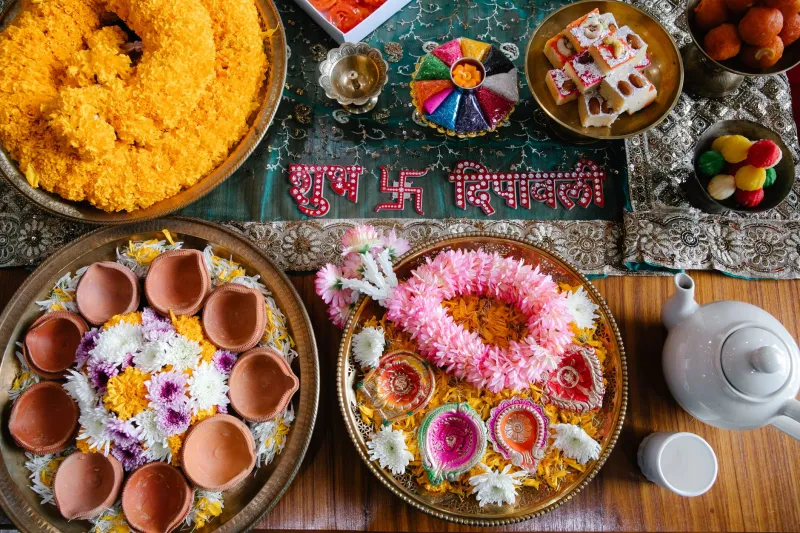
This matters for festival dates more than people realize. Lohri, for example, is generally fixed to January 13th — straightforward enough. But Diwali follows the Hindu lunar calendar, which means the date shifts every year. And then there's the question of which Diwali traditions your family actually observes, because Punjabi Diwali traditions aren't identical to the ones that dominate mainstream American coverage of the holiday.
Baisakhi is April 13th or 14th most years, which sounds simple until you account for the fact that some families celebrate it as a harvest festival, others observe it primarily as a Sikh religious occasion, and the food that's expected at the table varies accordingly. Are you making kada prasad? Pinni? A full langar-style spread? The answer depends on who's coming and what story your family tells about the day.
And if you're trying to coordinate with relatives calling in from Lahore, Amritsar, and Surrey simultaneously — good luck getting everyone on the same page before the mango pulp sells out.
The Grocery Store Doesn't Know About Your Family Chat
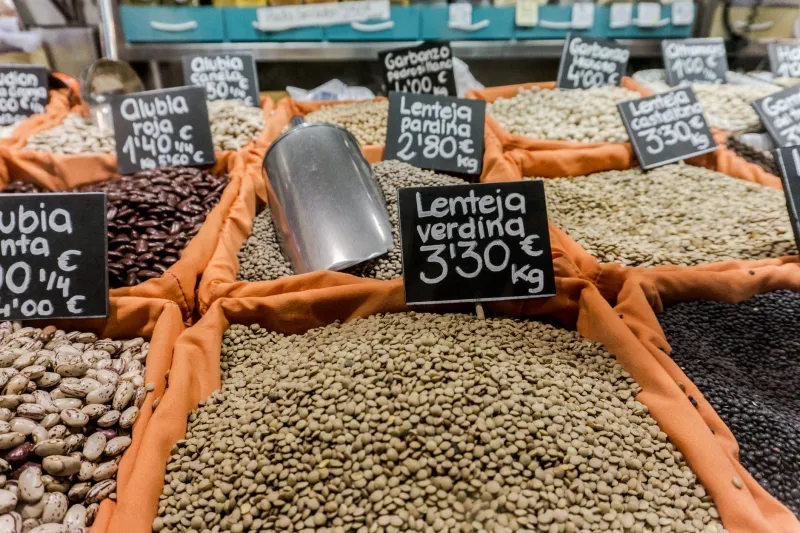
Here's the practical problem: Indian grocery stores in America don't operate on a wait-and-see basis. They order inventory weeks in advance based on what they expect community demand to look like. If you're in a smaller city — somewhere without a large South Asian population — the selection around festival time is even more unpredictable.
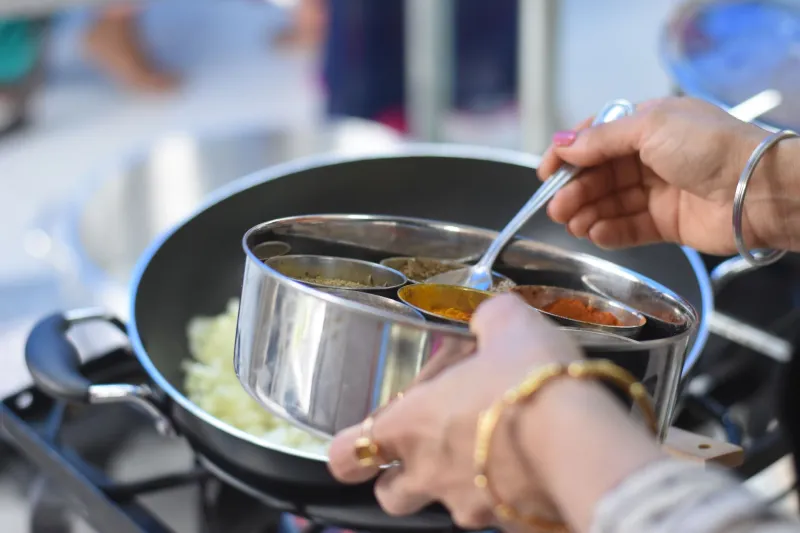
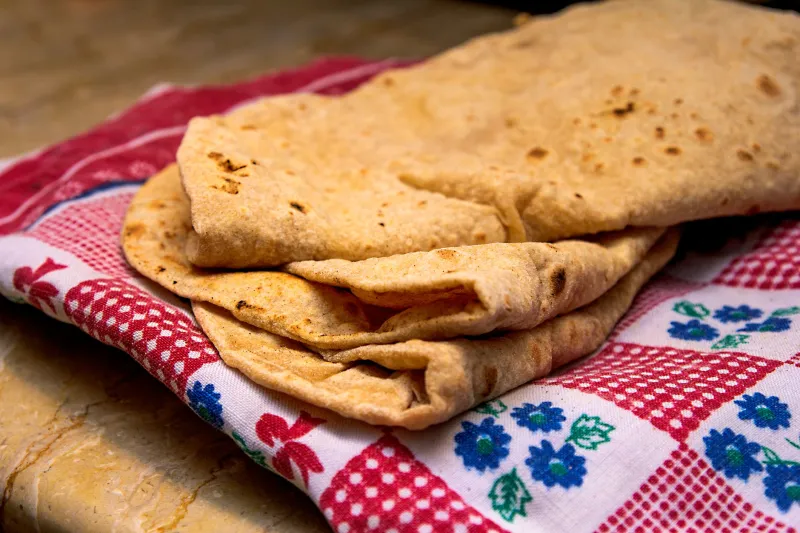
That means the window for getting your hands on specific items is narrow and unforgiving. Fresh methi, good quality atta, the specific brand of ghee your family insists on, jaggery that isn't rock-hard — these things move fast in the weeks before a major festival. If your family is still debating whether you're celebrating this weekend or next, you're gambling with your grocery run.
Simranpreet, who lives in Columbus, Ohio, described the annual Diwali scramble like this: "My mom waits until my uncle in Chandigarh confirms what date they're doing puja, because she wants it to feel coordinated even though we're literally on opposite sides of the world. But he always calls late. Last year I had to drive forty minutes to a different Indian grocery because our local one was already out of the dry fruits I needed for the mithai."
This is not an unusual story.
The Silent Resentment That Builds in the Produce Aisle
There's an emotional layer to this that goes beyond logistics. For Punjabi Americans who are already working hard to maintain cultural traditions in a country that doesn't pause for their holidays, the uncertainty around dates adds a particular kind of stress.
You're the one who has to request the day off work — or decide not to, and celebrate on a weekend instead, which already feels like a compromise. You're the one navigating the American grocery store for ingredients that may or may not be in stock. You're the one trying to explain to your non-Punjabi partner or roommate why this dinner is happening on a Thursday with twelve hours' notice.
And then, after all of that, a relative overseas posts a video of their celebration and it's clearly a completely different vibe from what you just pulled off. Different food, different timing, different mood. The distance between your experience and theirs is suddenly very visible.
Taranjit, a 41-year-old in New Jersey, put it bluntly: "I love celebrating Lohri. I love doing it for my kids. But some years I'm so tired by the time we actually sit down to eat that I can barely enjoy it. The planning is all on me, and half of it is just trying to figure out what version of the celebration we're even doing."
Building a Diaspora Calendar That Actually Works
Some Punjabi American families have started solving this problem on their own terms — and their solutions are practical in a way that older relatives sometimes find jarring.
The most common adaptation is what you might call the anchor date approach: pick the version of the festival that falls on the most convenient weekend, do your grocery shopping two weeks in advance regardless of what relatives decide, and accept that your celebration and the one happening in Punjab are going to look different. That's okay. They've always been different.
Others have started treating the festival season as a window rather than a single day — spreading the cooking, the sweets, and the rituals across several days so no single moment carries all the weight. This also helps when ingredients are sold out on the specific day you need them.
And a growing number of younger Punjabi Americans are leaning into online ordering for specialty items — buying months ahead for things that keep, and using digital marketplaces to source items that their local stores simply don't carry. If you know you're going to need a specific type of rewri for Lohri, January is too late to start looking. October is the move.
The Date Is Negotiable. The Food Is Not.
Here's the thing about all of this chaos: the families who navigate it best are the ones who've quietly decoupled the date from the meaning. The festival isn't less real because you celebrated it on Saturday instead of Wednesday. The food isn't less significant because you used the last bag of besan from a store three towns over.
What makes Baisakhi feel like Baisakhi — or Diwali feel like Diwali — isn't calendar accuracy. It's the smell of something frying, the particular noise level of a room full of people who know each other well, the specific way certain foods only appear at certain times of year.
You can argue about the date in the group chat. Just make sure someone's already bought the groceries.